
Flex2Future advances floating wave, wind and solar platform toward pre-2030 demo
Norwegian technology firm Flex2Future completes model testing at SINTEF Ocean facilities to validate a multi-source floating energy platform designed for wind, solar, and wave power.
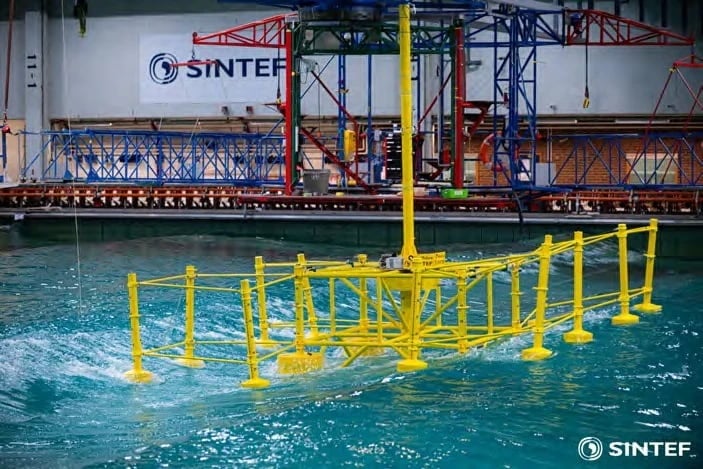
Flex2Future has finished a comprehensive series of model tests in Norway for a multi-source floating energy platform. According to Offshore Energy, the trials involved a small-scale replica of a system that integrates wind turbines, solar panels, and wave energy converters into a single structure. The testing was conducted at SINTEF Ocean laboratories in Trondheim to evaluate how the platform responds to simulated marine environments.
The research campaign utilized both a towing tank and an ocean basin to observe how the module handles simultaneous wind, currents, and waves. By using a 1:25 scale model, the team verified the platform’s stability and power generation potential against their existing numerical predictions. The company stated that these results provide a "solid foundation for continued development" as they transition toward constructing a full-sized version of the technology.
Engineers used hybrid testing methods, combining physical hardware with real-time digital simulations to replicate realistic offshore loads. These sensors and cameras monitored mooring stress and structural movements to ensure the design can survive harsh sea conditions. The project aims to improve the consistency of renewable power generation while lowering the overall costs associated with producing electricity in deep-water environments.
The developer plans to deploy a pilot unit off the coast of Eigerøy and intends to launch a full-scale demonstration by the end of this decade. Projections suggest that a single 136-meter module could reach an average output of approximately 8 MW. This initiative seeks to address the technical hurdles of maintaining efficient power production while enduring the dynamic physical forces present in the open ocean.
Editorial Desk — Trade Flow Insight. Reporting and market notes compiled by the Trade Flow Insight editorial team.
Related coverage

Oil Advances Amid War and Hurricane Risks
Oil prices edged higher as Middle East tanker attacks and Hurricane Isaias heightened supply concerns.
Australia to Release Final Plan to Keep More LNG at Home
Australia is set to unveil the final version of a controversial plan to force liquefied natural gas producers to reserve as much as a fifth of their output for local buyers.
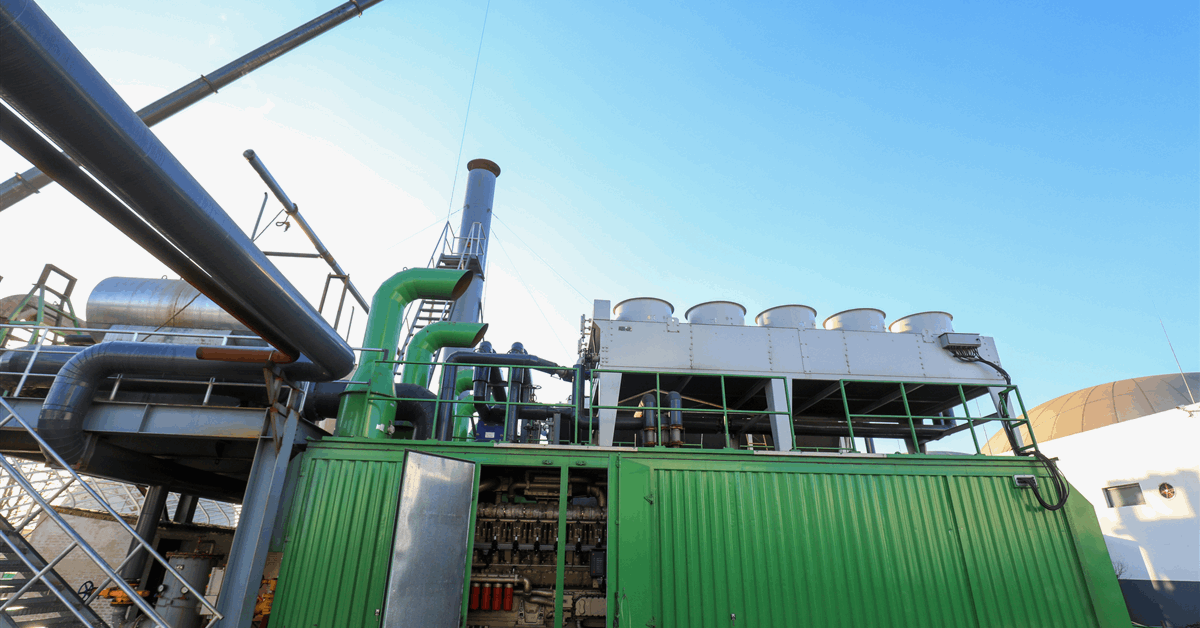
Uniper, Biotrend Plan to Produce Biogas in Turkiye for Europe
'The cooperation with Biotrend could open up a new source of renewable gas for European markets while further diversifying Uniper's portfolio'.