
North America Drops Rigs WoW, Count Still Higher YoY
North American drilling activity decreased by eight units this week as both U.S. and Canadian operators reduced active rig counts despite holding onto annual gains.

North American drilling activity contracted this week, according to the latest rotary rig data from Baker Hughes. The total count fell by eight units to reach 804 active rigs across the continent. Rigzone reports that the decline was split between the United States, which shed five rigs, and Canada, which saw a reduction of three rigs. Despite the weekly dip, the overall regional count remains 86 units higher than the levels recorded one year ago.
In the United States, the domestic fleet now stands at 588 rigs, dominated by 452 oil-focused units and 127 gas-directed units. The count is primarily comprised of horizontal drilling setups, which remained steady week-on-week, while directional rig counts experienced a decline of five. At the state level, Texas bucked the national trend by adding four rigs, while New Mexico and Louisiana both recorded reductions of three units during the reporting period.
The Canadian sector currently operates 216 rigs, with the majority dedicated to oil extraction. While oil rig numbers in Canada fell by three this week, the count for gas and miscellaneous rigs stayed flat. Baker Hughes characterizes these frequent industry tallies as "an important business barometer for the drilling industry and its suppliers," noting that the long-term trend still shows significant annual growth for both nations compared to the previous year's figures.
Editorial Desk — Trade Flow Insight. Reporting and market notes compiled by the Trade Flow Insight editorial team.
Related coverage

Oil Advances Amid War and Hurricane Risks
Oil prices edged higher as Middle East tanker attacks and Hurricane Isaias heightened supply concerns.

Australia to Release Final Plan to Keep More LNG at Home
Australia is set to unveil the final version of a controversial plan to force liquefied natural gas producers to reserve as much as a fifth of their output for local buyers.
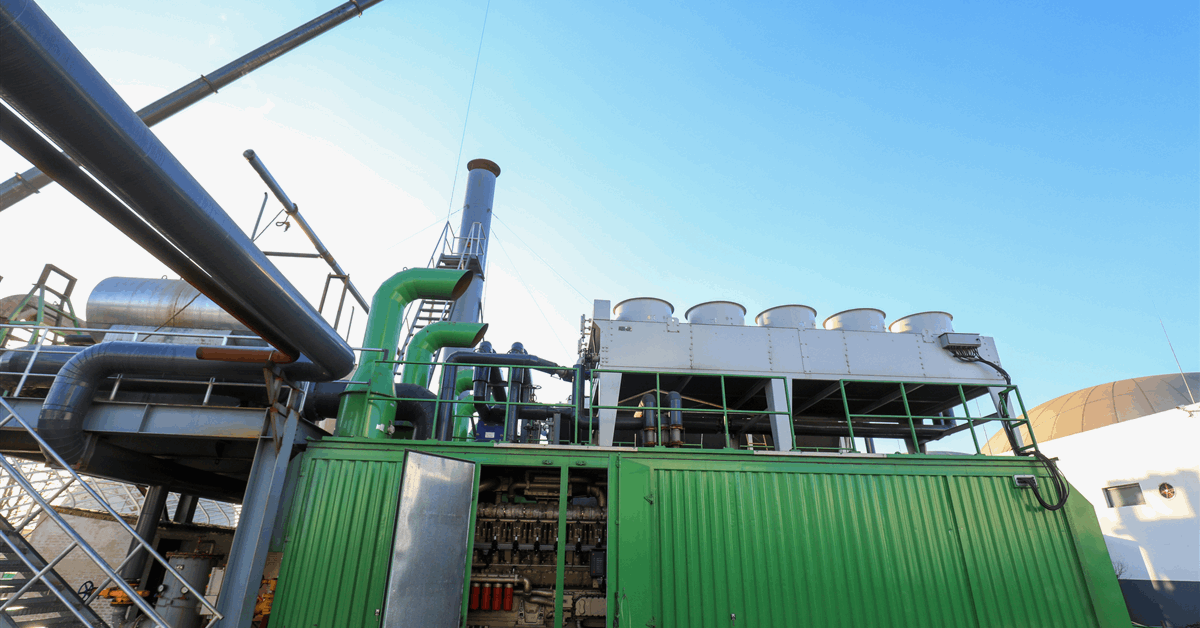
Uniper, Biotrend Plan to Produce Biogas in Turkiye for Europe
'The cooperation with Biotrend could open up a new source of renewable gas for European markets while further diversifying Uniper's portfolio'.