
Sea Lion roars into Falklands expansion as Navitas reels in second FPSO
Navitas Petroleum expands Falkland Islands operations with a $125 million acquisition of the OSX-1 vessel to accelerate production at the Sea Lion field.
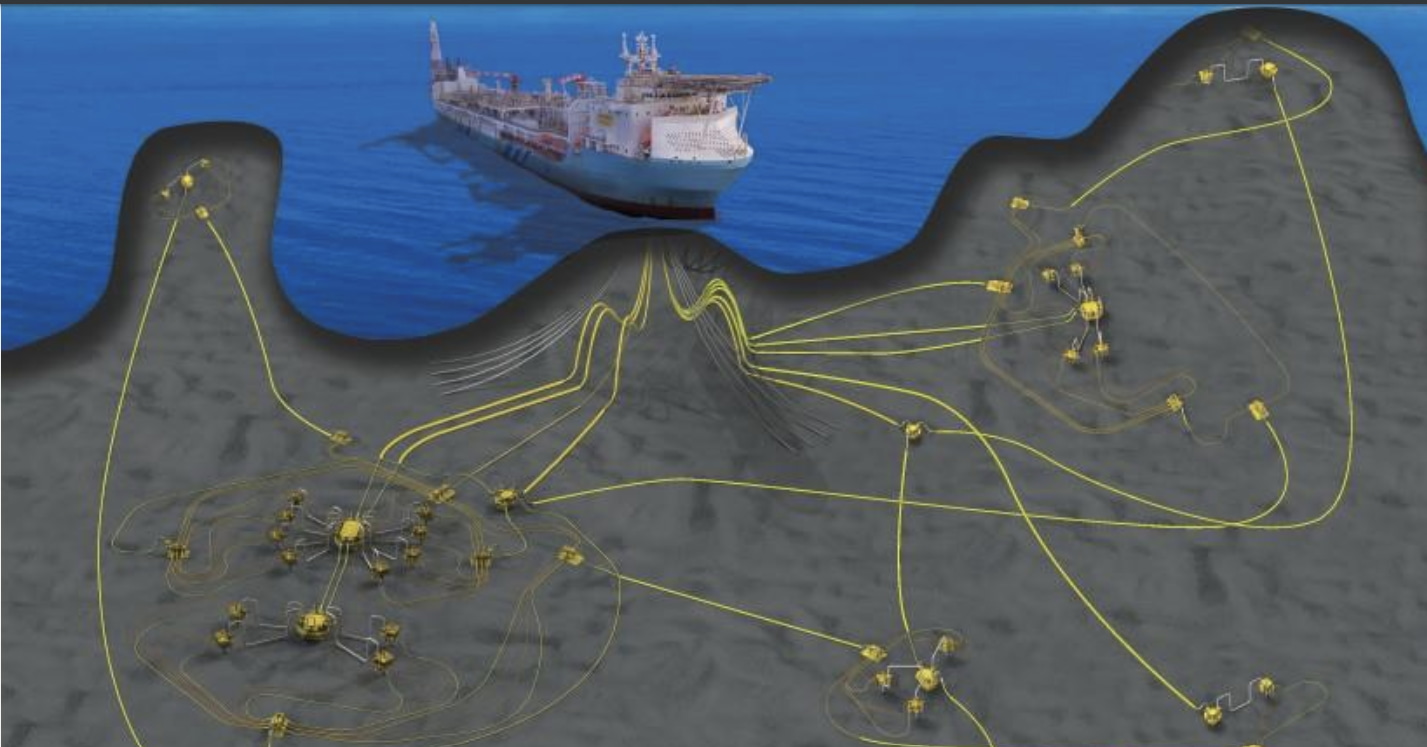
Israeli developer Navitas Petroleum is expanding its presence in the North Falkland Basin by exercising an option to purchase a second floating production, storage, and offloading vessel. According to Offshore Energy, the acquisition of the vessel, named OSX-1, will cost approximately $125 million and is expected to finalize within the next month. This move aims to accelerate development phases at the Sea Lion field beyond the initial work currently underway.
The introduction of the OSX-1 is projected to increase the project's daily output capacity by 125,000 barrels. This vessel will specifically target resources in the central development area, while the previously secured Aoka Mizu vessel remains designated for the first two phases of the northern development area. Navitas will initially fund the entire acquisition cost through a special purpose vehicle while its partner, Rockhopper, seeks financing to cover its share.
Current schedules place the first oil from the northern development area in early 2028, with the central development area expected to begin production by the end of 2030. CEO Samuel Moody stated the update reflects a "continued commitment to developing and accelerating Sea Lion" and enhances the project's overall value. The total investment required to reach project completion for the offshore field is estimated at $2.1 billion.
Editorial Desk — Trade Flow Insight. Reporting and market notes compiled by the Trade Flow Insight editorial team.
Related coverage

Oil Advances Amid War and Hurricane Risks
Oil prices edged higher as Middle East tanker attacks and Hurricane Isaias heightened supply concerns.

Australia to Release Final Plan to Keep More LNG at Home
Australia is set to unveil the final version of a controversial plan to force liquefied natural gas producers to reserve as much as a fifth of their output for local buyers.
Uniper, Biotrend Plan to Produce Biogas in Turkiye for Europe
'The cooperation with Biotrend could open up a new source of renewable gas for European markets while further diversifying Uniper's portfolio'.