
Texas Upstream Employment Drops in July
Texas upstream employment saw its largest monthly drop of the year in July, falling by 1,200 jobs as service sector losses outpaced gains from earlier this spring.

Texas energy employment in the upstream sector contracted by 1,200 positions in July, marking the steepest monthly decline of the year. According to reporting by Rigzone, the Texas Independent Producers and Royalty Owners Association (TIPRO) noted that the sector lost 900 service jobs and 300 extraction roles. This downturn represents the first instance of back-to-back monthly declines in 2026, after June figures were revised to show a loss of 300 jobs rather than an initial gain.
Despite the recent softening, the industry remains 1.8 percent higher than its January starting point, with total upstream employment standing at 195,800. TIPRO suggests the current pullback may be a temporary pause rather than a long-term shift, citing 10,951 unique industry job postings in Texas throughout July. The association noted that demand for talent remains high, particularly for heavy truck drivers and service-related roles in hubs like Houston and Midland.
Economic contributions from the sector remain robust even as hiring fluctuates. Tax revenue from oil and gas production reached $567 million and $241 million respectively in July, showing significant year-over-year increases. TIPRO President Ed Longanecker stated that these figures reflect an industry that is "indispensable even amid geopolitical volatility" and rising costs, though he cautioned that federal permitting delays and infrastructure needs continue to act as constraints on the market.
Editorial Desk — Trade Flow Insight. Reporting and market notes compiled by the Trade Flow Insight editorial team.
Related coverage

Oil Advances Amid War and Hurricane Risks
Oil prices edged higher as Middle East tanker attacks and Hurricane Isaias heightened supply concerns.

Australia to Release Final Plan to Keep More LNG at Home
Australia is set to unveil the final version of a controversial plan to force liquefied natural gas producers to reserve as much as a fifth of their output for local buyers.
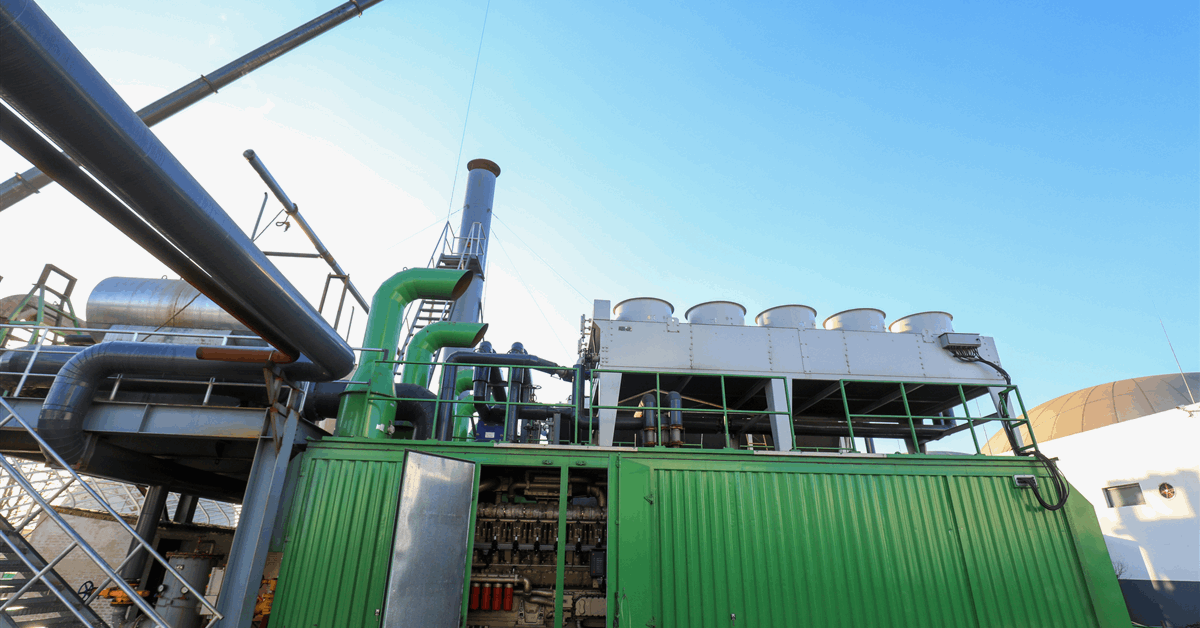
Uniper, Biotrend Plan to Produce Biogas in Turkiye for Europe
'The cooperation with Biotrend could open up a new source of renewable gas for European markets while further diversifying Uniper's portfolio'.