
The Race to Power AI Is Reviving America's Nuclear Ambitions
Increased electricity demand from artificial intelligence data centers is driving billions in new private capital toward nuclear fusion and fission technologies.

The rapid expansion of energy-intensive artificial intelligence infrastructure is revitalizing the American nuclear sector. According to OilPrice.com, the energy requirements of massive data centers are pushing tech firms and private equity groups to fund advanced power solutions. Estimates suggest that domestic data centers could account for nearly one-tenth of all electricity consumption in the United States by the end of the decade, necessitating a massive scale-up in carbon-free production.
Investment in nuclear startups has surged, with total funding for fission and fusion enterprises reaching billions of dollars. Notable Silicon Valley figures, including Sam Altman and Bill Gates, are backing these initiatives to solve the growing power deficit. Altman remarked during the World Economic Forum that "there's no way to get there without a breakthrough," highlighting the industry's reliance on technical innovation to meet escalating consumption needs.
While traditional large-scale nuclear projects have faced significant delays and cost overruns, attention is shifting toward small modular reactors. These units are designed to be more affordable and flexible than conventional plants, though the technology has yet to reach commercial operation in the U.S. market. Despite recent regulatory approvals for new designs, some analysts remain cautious regarding the economic viability and lack of real-world testing for these reactors.
Editorial Desk — Trade Flow Insight. Reporting and market notes compiled by the Trade Flow Insight editorial team.
Related coverage

Oil Advances Amid War and Hurricane Risks
Oil prices edged higher as Middle East tanker attacks and Hurricane Isaias heightened supply concerns.

Australia to Release Final Plan to Keep More LNG at Home
Australia is set to unveil the final version of a controversial plan to force liquefied natural gas producers to reserve as much as a fifth of their output for local buyers.
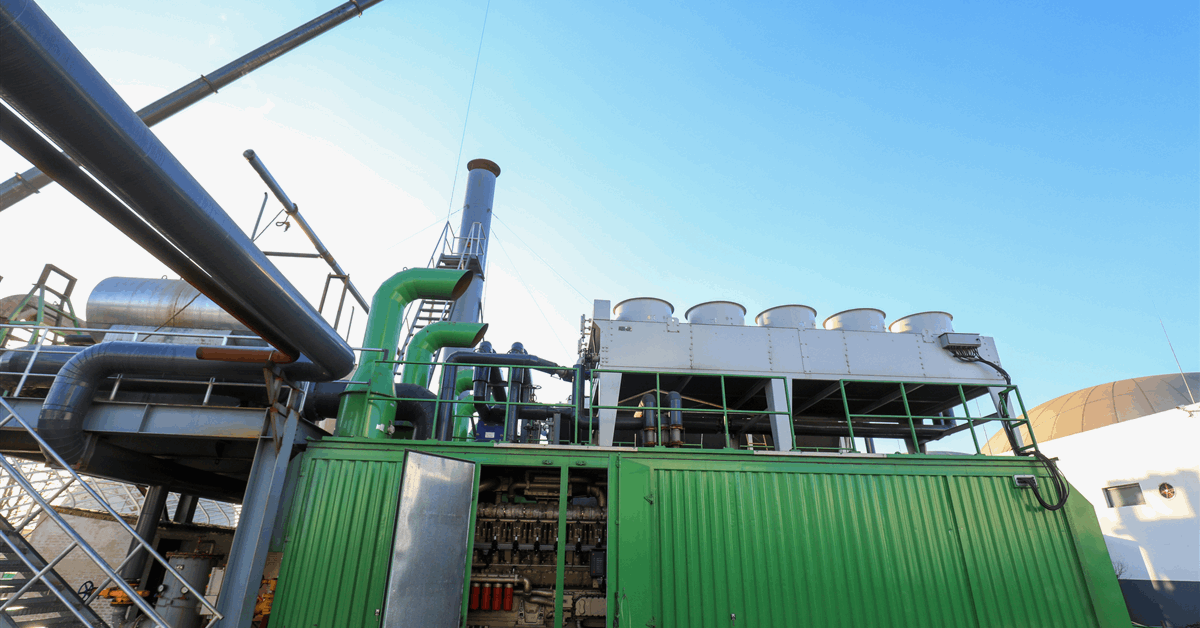
Uniper, Biotrend Plan to Produce Biogas in Turkiye for Europe
'The cooperation with Biotrend could open up a new source of renewable gas for European markets while further diversifying Uniper's portfolio'.