
Uranium Prices Surge as Nuclear Demand Accelerates
Uranium futures are climbing again as supply deficits and surging electricity requirements from the artificial intelligence sector bolster market momentum.
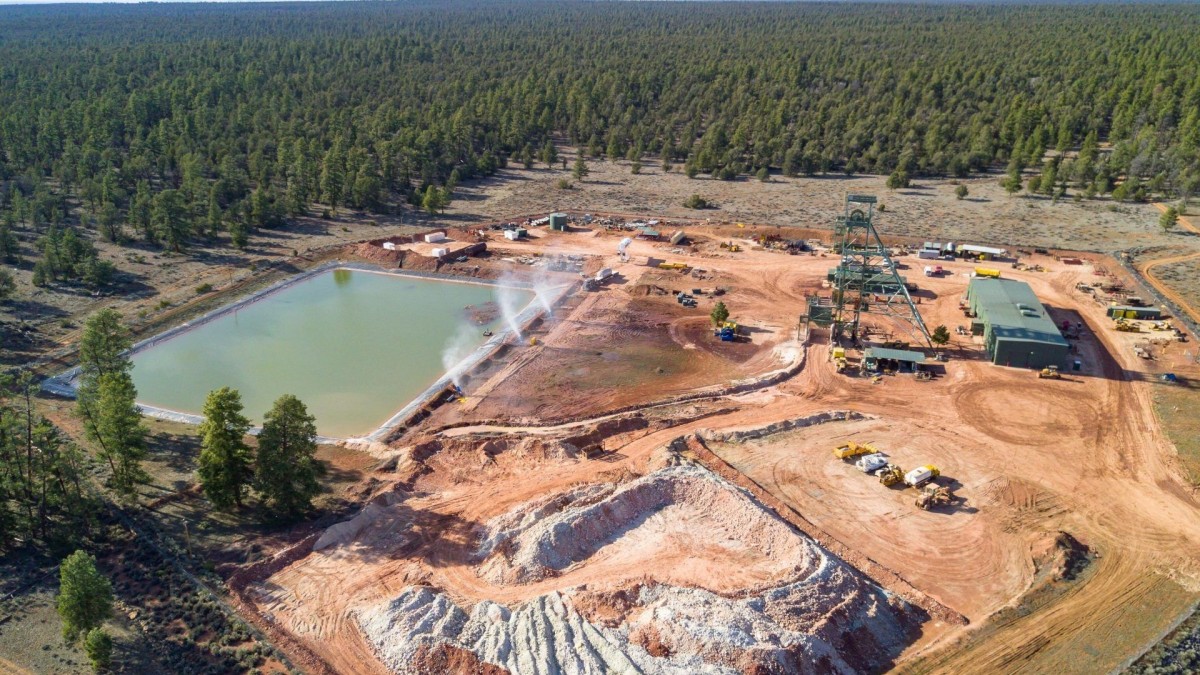
Uranium prices have reached their highest point since February, nearing $89 per pound this month. According to OilPrice.com, this follows a volatile period where values hit triple digits in January before stabilizing in a lower range for five months. The recent upward movement is supported by increased government backing for nuclear energy and a growing need for power to support data center infrastructure.
Long-term underinvestment in the mining sector has created a structural supply gap that producers cannot quickly close. Developing new extraction projects typically requires ten years, leaving a limited number of major miners like Cameco to meet rising needs. Analysts at Goldman have highlighted that the current market deficit is expected to grow as more reactors begin operations globally.
China is currently at the forefront of this industrial expansion and is projected to hold the title of the largest nuclear power market by 2030. UBS analyst George Eadie observed that high term pricing and increased utility activity provide evidence that the "uranium market is tightening structurally." This demand is further intensified by the need for reliable baseload power to sustain the rapid buildout of AI technology.
Because nuclear energy offers a scalable and low-carbon solution for constant electricity, it has become a central component in national reindustrialization efforts. As energy availability becomes a primary constraint for large-scale data projects, the industry is entering a prolonged period of growth. Consequently, the mismatch between slow-moving mine production and accelerating utility requirements continues to drive market dynamics.
Editorial Desk — Trade Flow Insight. Reporting and market notes compiled by the Trade Flow Insight editorial team.
Related coverage

Oil Advances Amid War and Hurricane Risks
Oil prices edged higher as Middle East tanker attacks and Hurricane Isaias heightened supply concerns.

Australia to Release Final Plan to Keep More LNG at Home
Australia is set to unveil the final version of a controversial plan to force liquefied natural gas producers to reserve as much as a fifth of their output for local buyers.
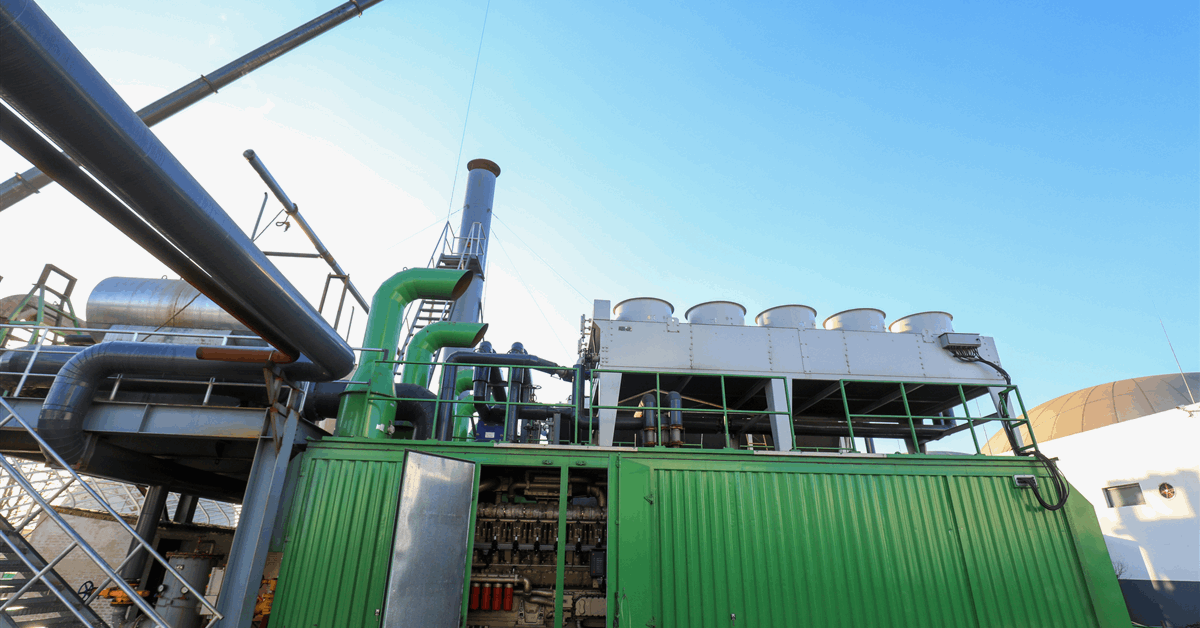
Uniper, Biotrend Plan to Produce Biogas in Turkiye for Europe
'The cooperation with Biotrend could open up a new source of renewable gas for European markets while further diversifying Uniper's portfolio'.