
Viridien embarks on first hybrid streamer-OBN 3D seismic survey in Asia-Pacific
Viridien has launched the first hybrid 3D seismic survey in the Asia-Pacific region, combining streamer and ocean bottom node technology to explore frontier basins offshore Malaysia.
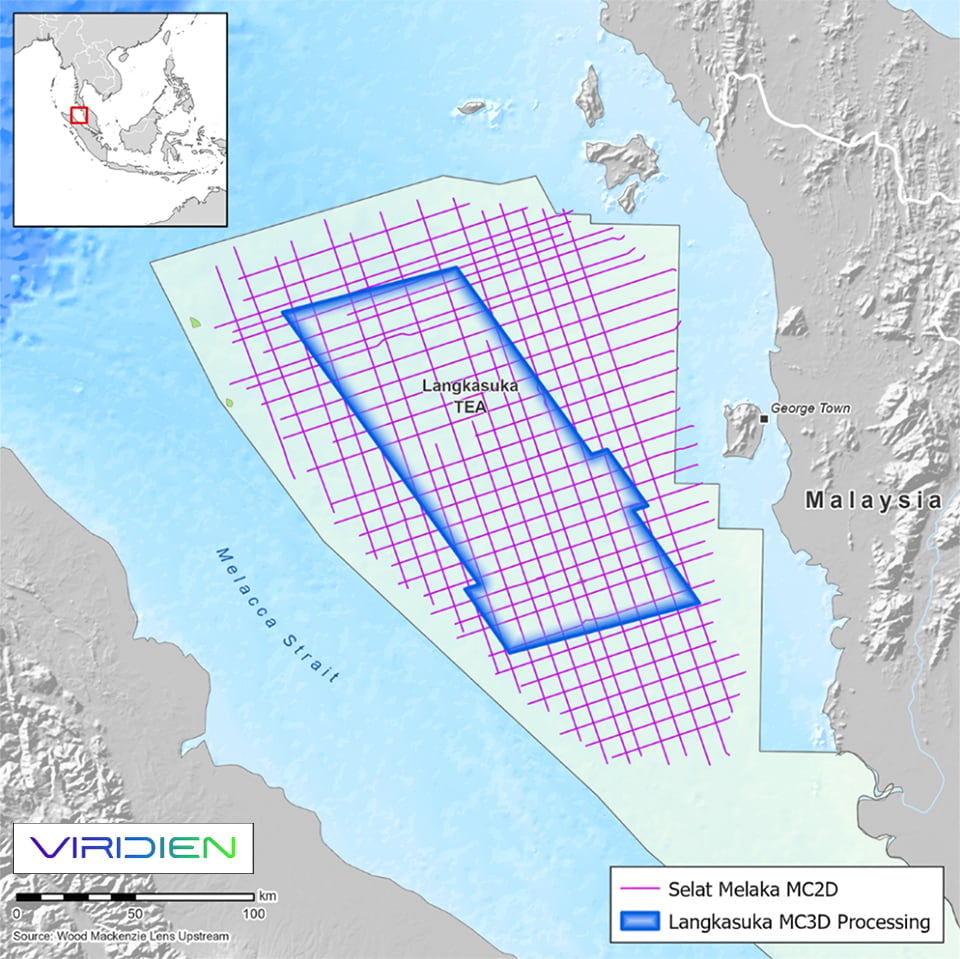
Geophysical services firm Viridien has initiated the Langkasuka multi-client 3D survey, a landmark project located in the Malacca Strait off West Peninsular Malaysia. According to Offshore Energy, this operation represents the inaugural use of integrated streamer and sparse ocean bottom node technology for a multi-client study within the Asia-Pacific territory. The project aims to clarify the geological potential of frontier areas using high-end imaging techniques.
The survey covers a vast area, integrating 12,300 square kilometers of streamer information with 3,300 square kilometers of data gathered via ocean bottom nodes. This endeavor marks the first regional application of dual Sercel TPS broadband seismic sources on a hybrid survey. Dechun Lin, the firm's Head of Earth Data, stated that the initiative aims to provide "drill-ready data available through a multi-client framework" to assist in basin exploration.
Viridien plans to utilize time-lag full-waveform inversion and other sophisticated imaging tools to process the low-frequency data. These technologies are intended to provide clear imagery of complex pre-tertiary sequences and previously unexamined Paleozoic sedimentary sections. The project has secured significant financial backing from industry participants, with the initial data products expected to be ready for review by October 2026.
Editorial Desk — Trade Flow Insight. Reporting and market notes compiled by the Trade Flow Insight editorial team.
Related coverage

Oil Advances Amid War and Hurricane Risks
Oil prices edged higher as Middle East tanker attacks and Hurricane Isaias heightened supply concerns.
Australia to Release Final Plan to Keep More LNG at Home
Australia is set to unveil the final version of a controversial plan to force liquefied natural gas producers to reserve as much as a fifth of their output for local buyers.
Uniper, Biotrend Plan to Produce Biogas in Turkiye for Europe
'The cooperation with Biotrend could open up a new source of renewable gas for European markets while further diversifying Uniper's portfolio'.