
Ecuador Says US Sinkings Of Vessels Were Part Of Joint Anti-Drug Probe
Ecuadorian officials have defended the U.S. Navy's destruction of three regional vessels following claims they were providing logistical support to international drug trafficking cartels.
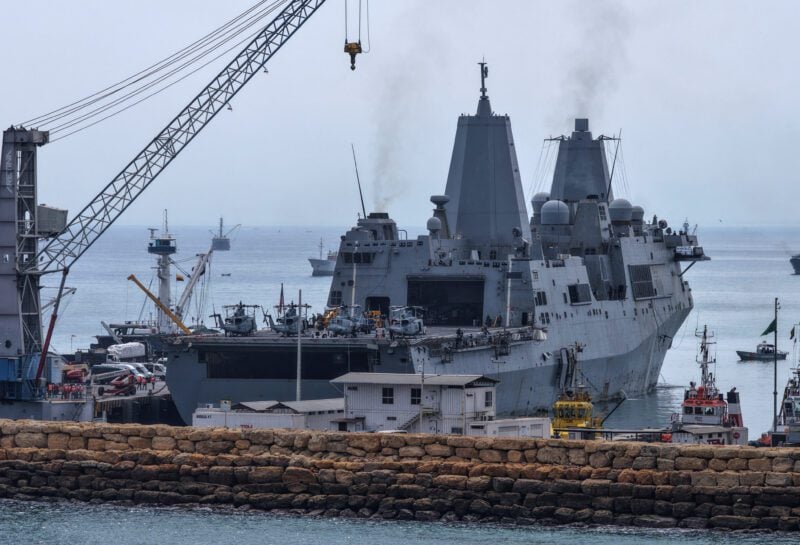
The government of Ecuador has formally supported the recent interception and sinking of three domestic vessels by United States forces, according to a report from gCaptain. Officials stated the operations were the result of a coordinated bilateral investigation aimed at dismantling the logistical networks used by criminal organizations to move narcotics through the eastern Pacific toward North American markets.
Interior Minister John Reimberg explained to local media that the targeted boats functioned as mobile refueling stations. These maritime outposts are designed to extend the range of high-speed vessels transporting illicit cargo. The U.S. Southern Command reinforced this assessment, alleging the vessels were specifically assisting the Los Choneros gang. Military footage released recently showed operatives boarding a ship before its tactical destruction at sea.
While the government maintains the legality of the mission, family members of the detained mariners have challenged the official narrative. One relative claimed the crews were engaged in legitimate fishing activities and that no narcotics were discovered onboard during the boarding. These individuals further alleged that the interception occurred within Ecuadorian territorial waters rather than in international seas as suggested by military authorities.
Data provided by the Ecuadorian Navy confirms that dozens of crew members from vessels named Conquista II and OM2 have been returned to the port of Manta. In total, 36 individuals were accounted for following the operations. The incident highlights ongoing tensions regarding the use of lethal force during maritime interdiction efforts and the broader U.S. strategy to combat drug trafficking in Latin American waters.
Helena Marsh — Energy Markets Editor. Helena covers crude, refined products and the trading houses that move them, with a focus on price formation in the Mediterranean and Black Sea.
Cobertura relacionada

Elison de la FMCSA vuelve a hablar de Motus; sigue sin haber fecha para la reparación completa
Chattanooga–No ha pasado tanto tiempo —menos de un mes— desde que Jesse Elison habló en un evento del sector y abordó el problema del asediado nuevo sistema de registro Motus. El administrador adjunto de la Federal Motor Carrier Safety Administration (FMCSA) habló el lunes en el Broker Compliance Symposium de FreightWaves, una de las dos sesiones de un día que sirven como preludio al mayor Future of Freight Festival que comienza aquí el martes. La mayor novedad de su presentación fue, en realidad, que no hubo ninguna: tras decir en la National Motor Freight Traffic Association a principios de

Camioneros mexicanos inician huelga nacional por la seguridad en las carreteras y el aumento de los costos
Las empresas de transporte por carretera mexicanas iniciaron el lunes una huelga nacional indefinida en protesta por la inseguridad en las carreteras, el robo de carga, la extorsión y el aumento de los costos operativos, con manifestaciones planificadas en los principales centros de carga a lo largo de la frontera entre México y Estados Unidos. La huelga, organizada por la Cámara Nacional del Autotransporte de Carga (CANACAR) y otras organizaciones de camioneros, exige manifestaciones en todo México, incluidos Nuevo Laredo, Reynosa, Monterrey, Tijuana y la Ciudad de México. Las protestas podrí

La administración Trump presenta una estrategia pesquera para impulsar la flota y la producción nacional de EE. UU.
La administración Trump presentó el viernes su America First Seafood Strategy, en la que esboza planes para fortalecer la industria pesquera comercial de EE. UU. a través de reformas regulatorias, inversiones en buques pesqueros e infraestructura costera,...