
Freight Market Health: What 13.57% Rejections Mean
Truckload tender rejection rates have settled at 13.57%, signaling a stabilizing market that experts suggest represents a new baseline for tightness ahead of fourth-quarter volatility.
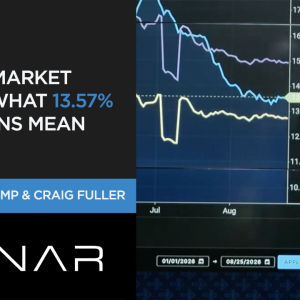
According to FreightWaves, truckload tender rejections have stabilized at approximately 13.57% following a seasonal peak that exceeded 17.5% in early July. This current level is being characterized by industry analysts as a healthy baseline rather than a sign of market fatigue. Data indicates a significant recovery from the start of the year, when rejection rates bottomed out at roughly 6% in January, suggesting the market has established a new floor for the current cycle.
During a recent SONAR data review, Craig Fuller noted that the threshold for market tightness has shifted. While brokers previously viewed an 8% rejection rate as a sign of a constrained market, that sentiment now applies to levels between 12% and 13%. At these current rates, intermediaries are seeing an increase in leverage with shippers. Despite the apparent stability, analysts expect upward pressure to return as the industry enters the final months of the year.
Market experts point to several seasonal factors that could drive rejection rates higher through the autumn. These include back-to-school shipping demands, a late Labor Day, and efforts by retailers to move West Coast imports early to mitigate inventory risks. Additionally, the industry is monitoring the impact of regulatory enforcement regarding driver licensing and English proficiency, which may affect year-over-year comparisons as the market approaches the one-year anniversary of these crackdowns.
Spot rates are already reflecting these shifting dynamics, showing a 7% increase in late August that recovered earlier monthly losses. Currently, accepted truckload volumes and total tender volumes are moving synchronously, creating a predictable environment for logistics planning. While carriers are successfully securing rate increases, shippers have not yet experienced significant service disruptions, providing a brief window for participants to balance their spot and contract freight allocations.
Editorial Desk — Trade Flow Insight. Reporting and market notes compiled by the Trade Flow Insight editorial team.
Cobertura relacionada

Elison de la FMCSA vuelve a hablar de Motus; sigue sin haber fecha para la reparación completa
Chattanooga–No ha pasado tanto tiempo —menos de un mes— desde que Jesse Elison habló en un evento del sector y abordó el problema del asediado nuevo sistema de registro Motus. El administrador adjunto de la Federal Motor Carrier Safety Administration (FMCSA) habló el lunes en el Broker Compliance Symposium de FreightWaves, una de las dos sesiones de un día que sirven como preludio al mayor Future of Freight Festival que comienza aquí el martes. La mayor novedad de su presentación fue, en realidad, que no hubo ninguna: tras decir en la National Motor Freight Traffic Association a principios de

Camioneros mexicanos inician huelga nacional por la seguridad en las carreteras y el aumento de los costos
Las empresas de transporte por carretera mexicanas iniciaron el lunes una huelga nacional indefinida en protesta por la inseguridad en las carreteras, el robo de carga, la extorsión y el aumento de los costos operativos, con manifestaciones planificadas en los principales centros de carga a lo largo de la frontera entre México y Estados Unidos. La huelga, organizada por la Cámara Nacional del Autotransporte de Carga (CANACAR) y otras organizaciones de camioneros, exige manifestaciones en todo México, incluidos Nuevo Laredo, Reynosa, Monterrey, Tijuana y la Ciudad de México. Las protestas podrí

La administración Trump presenta una estrategia pesquera para impulsar la flota y la producción nacional de EE. UU.
La administración Trump presentó el viernes su America First Seafood Strategy, en la que esboza planes para fortalecer la industria pesquera comercial de EE. UU. a través de reformas regulatorias, inversiones en buques pesqueros e infraestructura costera,...