
How long can the million-dollar VLCC market last?
Extremely high VLCC earnings and soaring secondhand values are driving a debate among analysts regarding the longevity of current market disruption.
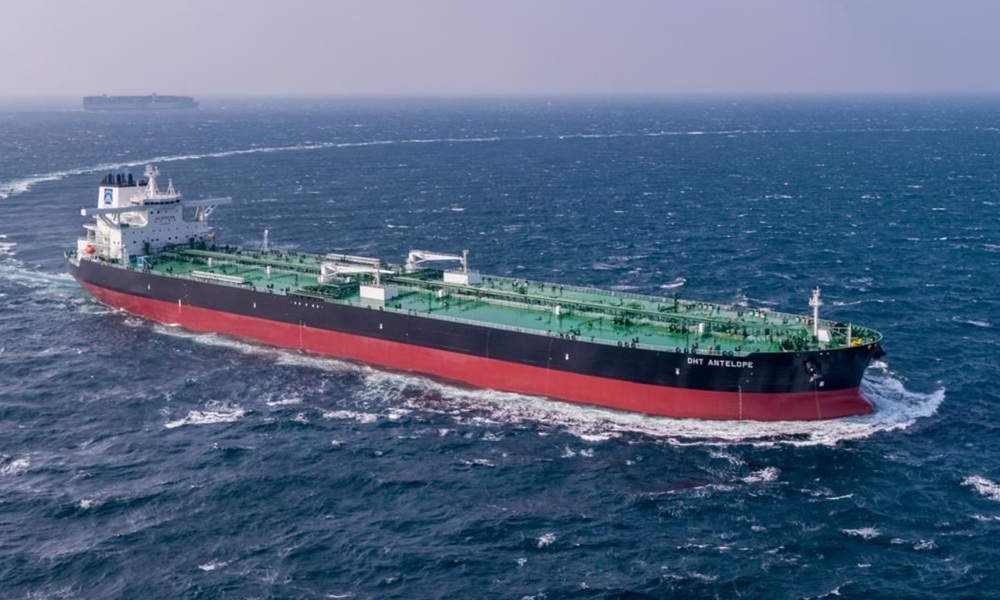
According to Splash 247, the VLCC sector has reached unprecedented levels, with spot earnings for Middle East to China routes exceeding $1 million daily. The intensity of the current market is reflected in the secondhand sector, where fifteen-year-old vessels are reportedly selling for higher prices than newbuild orders. This surge has split market observers into two camps: those who see a temporary spike and those who anticipate a prolonged era of high returns.
Morgan Stanley and BRS suggest that structural changes in global trade could support elevated earnings through 2027. Factors such as longer voyage distances, an aging global fleet, and the use of vessels for floating storage are restricting effective ship supply. BRS notes that roughly 15% of the mainstream VLCC fleet is currently occupied with Middle East shuttle duties, while Gibson observes that ship-to-ship transfers and increased waiting times are absorbing significant capacity despite lower crude volumes.
However, some analysts warn that these record-breaking rates may trigger their own decline. Breakwave Advisors points to a heavy vessel orderbook, with 177 VLCCs scheduled for delivery between 2026 and 2028, which could eventually lead to an industry downcycle. Additionally, Gibson highlights that high freight costs are already causing some shippers to switch to smaller Suezmax vessels, creating a risk of permanent demand destruction if pricing remains at these extremes.
While the bullish outlook relies on continued geopolitical disruption and inventory rebuilding, the bearish case focuses on the eventual normalization of the market. Even optimistic firms like BRS expect earnings to retreat from their current peaks by 2028, though they suggest the floor for this cycle will remain historically high. The market currently faces a tension between shrinking effective supply and the inevitable arrival of new tonnage.
Helena Marsh — Energy Markets Editor. Helena covers crude, refined products and the trading houses that move them, with a focus on price formation in the Mediterranean and Black Sea.
Cobertura relacionada

Elison de la FMCSA vuelve a hablar de Motus; sigue sin haber fecha para la reparación completa
Chattanooga–No ha pasado tanto tiempo —menos de un mes— desde que Jesse Elison habló en un evento del sector y abordó el problema del asediado nuevo sistema de registro Motus. El administrador adjunto de la Federal Motor Carrier Safety Administration (FMCSA) habló el lunes en el Broker Compliance Symposium de FreightWaves, una de las dos sesiones de un día que sirven como preludio al mayor Future of Freight Festival que comienza aquí el martes. La mayor novedad de su presentación fue, en realidad, que no hubo ninguna: tras decir en la National Motor Freight Traffic Association a principios de

Camioneros mexicanos inician huelga nacional por la seguridad en las carreteras y el aumento de los costos
Las empresas de transporte por carretera mexicanas iniciaron el lunes una huelga nacional indefinida en protesta por la inseguridad en las carreteras, el robo de carga, la extorsión y el aumento de los costos operativos, con manifestaciones planificadas en los principales centros de carga a lo largo de la frontera entre México y Estados Unidos. La huelga, organizada por la Cámara Nacional del Autotransporte de Carga (CANACAR) y otras organizaciones de camioneros, exige manifestaciones en todo México, incluidos Nuevo Laredo, Reynosa, Monterrey, Tijuana y la Ciudad de México. Las protestas podrí

La administración Trump presenta una estrategia pesquera para impulsar la flota y la producción nacional de EE. UU.
La administración Trump presentó el viernes su America First Seafood Strategy, en la que esboza planes para fortalecer la industria pesquera comercial de EE. UU. a través de reformas regulatorias, inversiones en buques pesqueros e infraestructura costera,...