
Iran’s bottleneck is Hormuz, not the buyer
Iranian crude supplies in Asian waters reached 46 million barrels following a brief U.S. sanctions waiver, as storage levels defied broader regional trends.
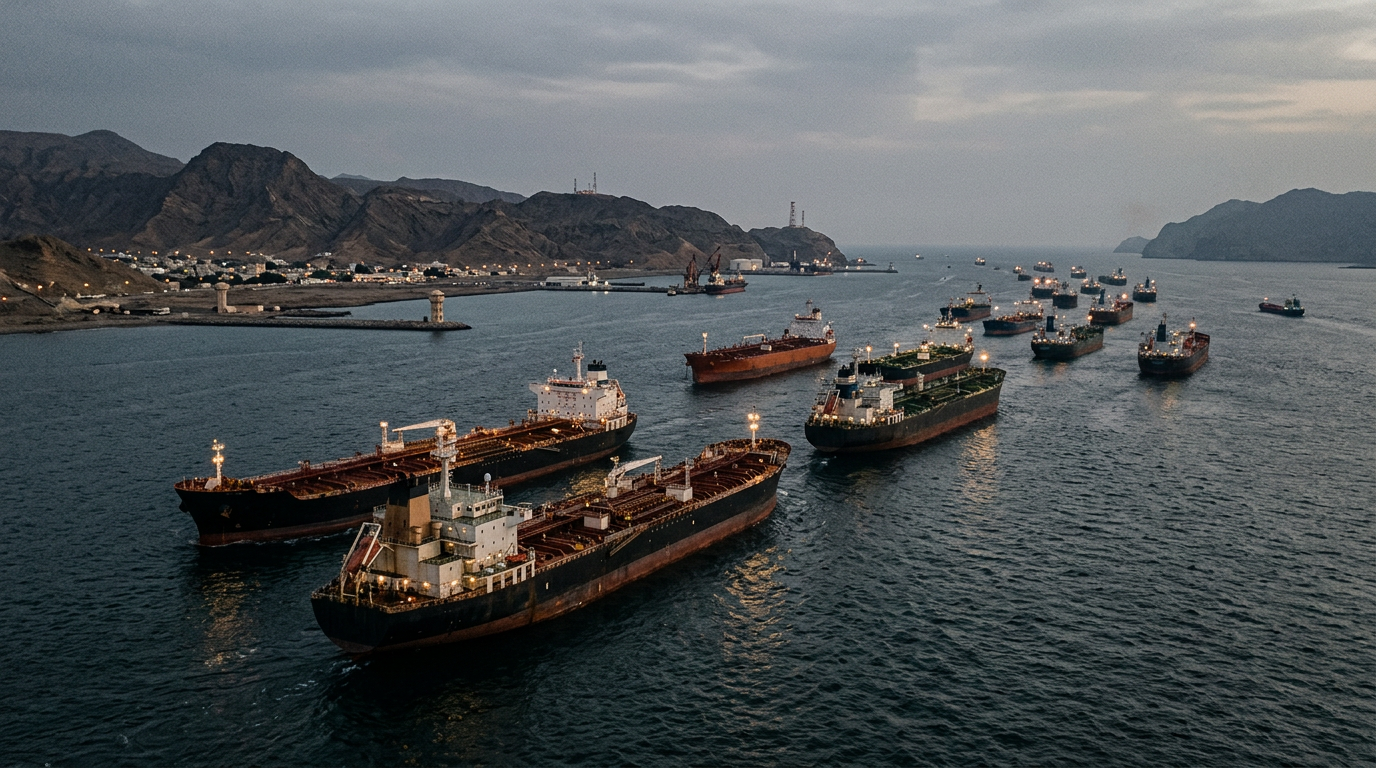
Iranian crude oil volumes sitting in Asian maritime zones have returned to peak levels, totaling 46 million barrels by the end of July. According to Hellenic Shipping News, this accumulation occurred despite a 23.6% decline in total crude on the water across the region between January and July. The surge was accelerated by a three-week sanctions waiver that finalized a refill process already underway since February, contrasting sharply with broader market contractions.
Logistical data indicates that the primary constraint for these supplies is the Strait of Hormuz rather than a lack of market demand. Currently, 76.9 million barrels of Iranian oil are situated across the Gulf region, distributed between the Gulf of Oman and areas west of the strait. Large vessels, particularly Very Large Crude Carriers, dominate the fleet west of the bottleneck, carrying parcels that average 1.77 million barrels as they wait for transit.
Recent shifts in the floating-to-transit ratio suggest that available barrels are being processed as ship-to-ship redistributions rather than static bulk storage. In August, volumes held within Chinese zones dropped by 45%, signaling the first significant discharge of the year. Analysts expect refiners to continue drawing down these commercial inventories over the coming months to bridge feedstock gaps, especially since these nearby supplies can reach Chinese berths in roughly one week.
Editorial Desk — Trade Flow Insight. Reporting and market notes compiled by the Trade Flow Insight editorial team.
Cobertura relacionada

Elison de la FMCSA vuelve a hablar de Motus; sigue sin haber fecha para la reparación completa
Chattanooga–No ha pasado tanto tiempo —menos de un mes— desde que Jesse Elison habló en un evento del sector y abordó el problema del asediado nuevo sistema de registro Motus. El administrador adjunto de la Federal Motor Carrier Safety Administration (FMCSA) habló el lunes en el Broker Compliance Symposium de FreightWaves, una de las dos sesiones de un día que sirven como preludio al mayor Future of Freight Festival que comienza aquí el martes. La mayor novedad de su presentación fue, en realidad, que no hubo ninguna: tras decir en la National Motor Freight Traffic Association a principios de

Camioneros mexicanos inician huelga nacional por la seguridad en las carreteras y el aumento de los costos
Las empresas de transporte por carretera mexicanas iniciaron el lunes una huelga nacional indefinida en protesta por la inseguridad en las carreteras, el robo de carga, la extorsión y el aumento de los costos operativos, con manifestaciones planificadas en los principales centros de carga a lo largo de la frontera entre México y Estados Unidos. La huelga, organizada por la Cámara Nacional del Autotransporte de Carga (CANACAR) y otras organizaciones de camioneros, exige manifestaciones en todo México, incluidos Nuevo Laredo, Reynosa, Monterrey, Tijuana y la Ciudad de México. Las protestas podrí

La administración Trump presenta una estrategia pesquera para impulsar la flota y la producción nacional de EE. UU.
La administración Trump presentó el viernes su America First Seafood Strategy, en la que esboza planes para fortalecer la industria pesquera comercial de EE. UU. a través de reformas regulatorias, inversiones en buques pesqueros e infraestructura costera,...