
Norfolk Southern’s ‘Golden Triangle’ | Why Georgia is Key for Rail
Norfolk Southern executive Ed Elkins highlights Georgia's role in the company's 'Golden Triangle' and reports a 50% increase in active industrial development projects.
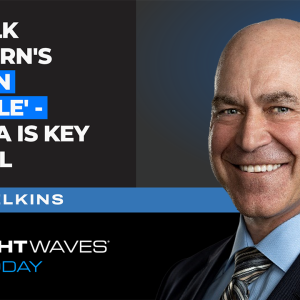
Norfolk Southern is witnessing a significant acceleration in industrial development, with project transitions from planning to construction rising 50 percent during the first half of this year. According to FreightWaves, Executive Vice President Ed Elkins views this surge as a key indicator of genuine freight demand. He noted that the broader rail industry experienced a volume inflection point in early 2025, supported by a shift from highway transport to rail as trucking costs increased. The railroad's strategy centers on a logistics region known as the Golden Triangle, which connects Atlanta, Chicago, and Harrisburg. Georgia serves as a critical node in this network, hosting multiple intermodal facilities, freight yards, and a new inland port in Gainesville. Elkins emphasized that despite fluctuations in specific commodity markets like lumber, the cost advantages of rail are driving mode conversion across various domestic shipping segments. Regarding corporate strategy, the company continues to move forward with a proposed merger with Union Pacific through the Surface Transportation Board. Elkins characterized the merger as a way to improve transcontinental efficiency by "eliminating interchange friction" between different networks. Regardless of the outcome, the carrier plans to maintain its heavy presence in Atlanta, citing the city's role as a major commercial and technological hub for the Eastern U.S. Current economic conditions are being compared to the industrial growth seen in 2003, though today's expansion is fueled by energy independence and investments in artificial intelligence. Elkins stated that the domestic energy sector is helping to repatriate chemical production and heavy manufacturing. This trend is reflected in the railroad's internal pipeline data, suggesting a long-term recovery for American industrial output and rail logistics.
Editorial Desk — Trade Flow Insight. Reporting and market notes compiled by the Trade Flow Insight editorial team.
Cobertura relacionada

Elison de la FMCSA vuelve a hablar de Motus; sigue sin haber fecha para la reparación completa
Chattanooga–No ha pasado tanto tiempo —menos de un mes— desde que Jesse Elison habló en un evento del sector y abordó el problema del asediado nuevo sistema de registro Motus. El administrador adjunto de la Federal Motor Carrier Safety Administration (FMCSA) habló el lunes en el Broker Compliance Symposium de FreightWaves, una de las dos sesiones de un día que sirven como preludio al mayor Future of Freight Festival que comienza aquí el martes. La mayor novedad de su presentación fue, en realidad, que no hubo ninguna: tras decir en la National Motor Freight Traffic Association a principios de

Camioneros mexicanos inician huelga nacional por la seguridad en las carreteras y el aumento de los costos
Las empresas de transporte por carretera mexicanas iniciaron el lunes una huelga nacional indefinida en protesta por la inseguridad en las carreteras, el robo de carga, la extorsión y el aumento de los costos operativos, con manifestaciones planificadas en los principales centros de carga a lo largo de la frontera entre México y Estados Unidos. La huelga, organizada por la Cámara Nacional del Autotransporte de Carga (CANACAR) y otras organizaciones de camioneros, exige manifestaciones en todo México, incluidos Nuevo Laredo, Reynosa, Monterrey, Tijuana y la Ciudad de México. Las protestas podrí

La administración Trump presenta una estrategia pesquera para impulsar la flota y la producción nacional de EE. UU.
La administración Trump presentó el viernes su America First Seafood Strategy, en la que esboza planes para fortalecer la industria pesquera comercial de EE. UU. a través de reformas regulatorias, inversiones en buques pesqueros e infraestructura costera,...