
Supertankers Racing to Middle East Worsen Ship Crunch
A surge of supertankers toward the Middle East to capitalize on record freight rates is creating a global vessel shortage and driving up shipping costs for international crude routes.
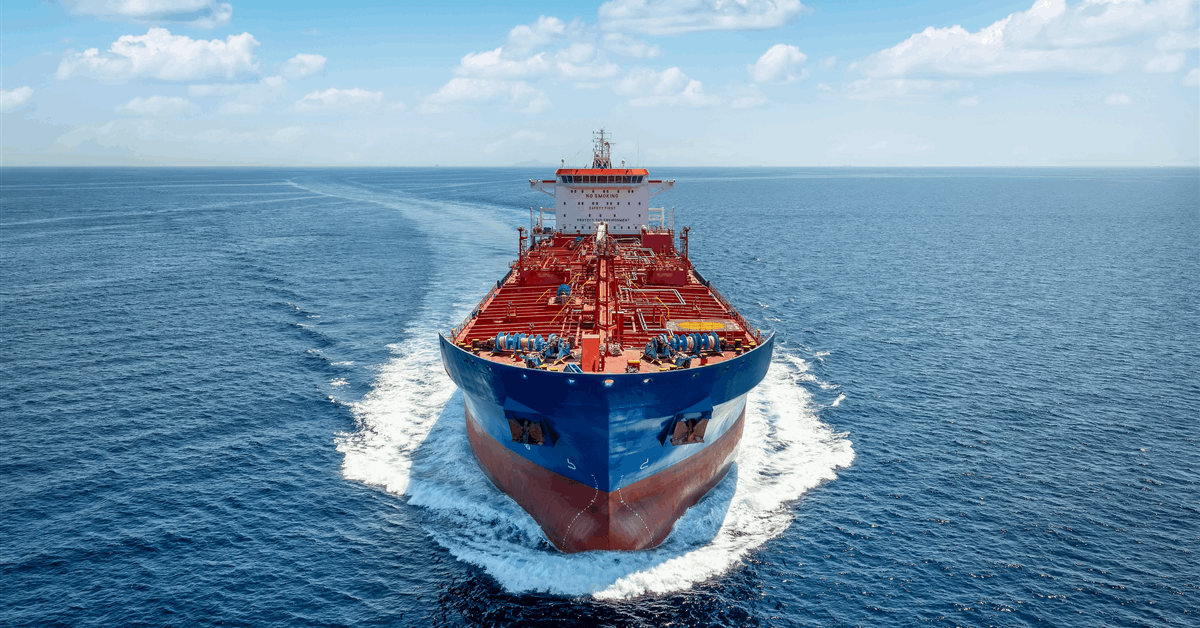
Supertankers are flocking to the Middle East as freight fees for traversing the Strait of Hormuz reach unprecedented levels. According to Rigzone, the cost to transport oil from the Persian Gulf to East Asia has increased more than sixfold compared to figures recorded before recent regional conflicts. Despite ongoing security threats to maritime traffic, crude oil volumes passing through the waterway have returned to levels near those seen before the hostilities began.
Data from Signal Ocean indicates that over 40% of the world's very large crude carrier fleet is currently positioned within or near the Persian Gulf. This concentration is driven by an inefficient transshipment system where vessels exchange cargo outside the strait to avoid risk. These operations are straining the global supply of ships, leading to a 50% reduction in the number of empty supertankers sailing toward Atlantic Ocean ports over the last month.
The scarcity of large vessels is impacting other markets, forcing producers in the Americas to utilize smaller tankers that lack traditional economies of scale. Freight analyst Georgios Sakellariou noted that the current ship-to-ship transfer system is "inefficient" and is stretching the global vessel supply. Consequently, rates for smaller Suezmax and Aframax ships are also rising as they are increasingly used for routes originally intended for larger carriers.
Shipping costs are reaching new milestones across various global routes due to the vessel crunch. One supertanker was recently offered for a journey from the U.S. Gulf to Japan at a fee exceeding $40 per barrel, representing a 50% jump in just three weeks. As Middle Eastern exports rebound alongside high production from the Americas, the competition for available tonnage continues to elevate expenses for energy traders worldwide.
Helena Marsh — Energy Markets Editor. Helena covers crude, refined products and the trading houses that move them, with a focus on price formation in the Mediterranean and Black Sea.
Cobertura relacionada

Elison de la FMCSA vuelve a hablar de Motus; sigue sin haber fecha para la reparación completa
Chattanooga–No ha pasado tanto tiempo —menos de un mes— desde que Jesse Elison habló en un evento del sector y abordó el problema del asediado nuevo sistema de registro Motus. El administrador adjunto de la Federal Motor Carrier Safety Administration (FMCSA) habló el lunes en el Broker Compliance Symposium de FreightWaves, una de las dos sesiones de un día que sirven como preludio al mayor Future of Freight Festival que comienza aquí el martes. La mayor novedad de su presentación fue, en realidad, que no hubo ninguna: tras decir en la National Motor Freight Traffic Association a principios de

Camioneros mexicanos inician huelga nacional por la seguridad en las carreteras y el aumento de los costos
Las empresas de transporte por carretera mexicanas iniciaron el lunes una huelga nacional indefinida en protesta por la inseguridad en las carreteras, el robo de carga, la extorsión y el aumento de los costos operativos, con manifestaciones planificadas en los principales centros de carga a lo largo de la frontera entre México y Estados Unidos. La huelga, organizada por la Cámara Nacional del Autotransporte de Carga (CANACAR) y otras organizaciones de camioneros, exige manifestaciones en todo México, incluidos Nuevo Laredo, Reynosa, Monterrey, Tijuana y la Ciudad de México. Las protestas podrí

La administración Trump presenta una estrategia pesquera para impulsar la flota y la producción nacional de EE. UU.
La administración Trump presentó el viernes su America First Seafood Strategy, en la que esboza planes para fortalecer la industria pesquera comercial de EE. UU. a través de reformas regulatorias, inversiones en buques pesqueros e infraestructura costera,...