
Trans-Pacific shippers ‘leaving money on the table,’ says analyst
Xeneta analysis suggests trans-Pacific importers could achieve major cost reductions by rerouting cargo through U.S. West Coast gateways as price gaps with East Coast routes widen.
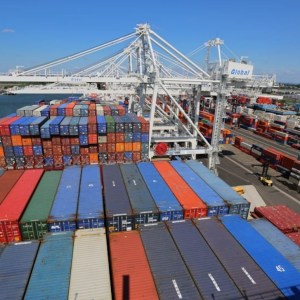
According to reporting by FreightWaves, cargo owners may be overlooking substantial savings by favoring East Coast ports over West Coast alternatives. Xeneta Chief Analyst Peter Sand notes that despite the need for additional rail or truck transport to reach inland destinations, the current price discrepancy makes Pacific gateways a financially superior choice for those with flexible logistics chains.
Data from the week of August 21 shows that shipping a forty-foot equivalent unit from Asia to the U.S. East Coast now costs $10,527, while rates to the West Coast sit at $7,193. This price gap of $3,334 is now larger than the entire cost of shipping a container to either coast prior to the onset of the Middle East crisis in late February.
Market volatility in the U.S. persists as carriers capitalize on robust demand and reduced sailing schedules, pushing East Coast spot rates up nearly 300% from pre-crisis levels. Additional disruptions, including typhoon-related congestion at Asian hubs, continue to impact schedule reliability and pricing structures across the trans-Pacific trade lane.
Sand suggests that shippers look to the European market for leverage, as rates into the Mediterranean and North Europe have begun to soften. He observes that while U.S. rates remain on an upward trajectory, the cooling European market indicates that "carriers are not invincible" and provides a potential framework for importers to negotiate more favorable terms.
Editorial Desk — Trade Flow Insight. Reporting and market notes compiled by the Trade Flow Insight editorial team.
Cobertura relacionada

Elison de la FMCSA vuelve a hablar de Motus; sigue sin haber fecha para la reparación completa
Chattanooga–No ha pasado tanto tiempo —menos de un mes— desde que Jesse Elison habló en un evento del sector y abordó el problema del asediado nuevo sistema de registro Motus. El administrador adjunto de la Federal Motor Carrier Safety Administration (FMCSA) habló el lunes en el Broker Compliance Symposium de FreightWaves, una de las dos sesiones de un día que sirven como preludio al mayor Future of Freight Festival que comienza aquí el martes. La mayor novedad de su presentación fue, en realidad, que no hubo ninguna: tras decir en la National Motor Freight Traffic Association a principios de

Camioneros mexicanos inician huelga nacional por la seguridad en las carreteras y el aumento de los costos
Las empresas de transporte por carretera mexicanas iniciaron el lunes una huelga nacional indefinida en protesta por la inseguridad en las carreteras, el robo de carga, la extorsión y el aumento de los costos operativos, con manifestaciones planificadas en los principales centros de carga a lo largo de la frontera entre México y Estados Unidos. La huelga, organizada por la Cámara Nacional del Autotransporte de Carga (CANACAR) y otras organizaciones de camioneros, exige manifestaciones en todo México, incluidos Nuevo Laredo, Reynosa, Monterrey, Tijuana y la Ciudad de México. Las protestas podrí

La administración Trump presenta una estrategia pesquera para impulsar la flota y la producción nacional de EE. UU.
La administración Trump presentó el viernes su America First Seafood Strategy, en la que esboza planes para fortalecer la industria pesquera comercial de EE. UU. a través de reformas regulatorias, inversiones en buques pesqueros e infraestructura costera,...