
Turning policy into steel. Turning vision into ships
The U.S. Maritime Administration and CORE POWER have established a new cooperation framework to develop a domestic fleet of nuclear-powered merchant vessels.
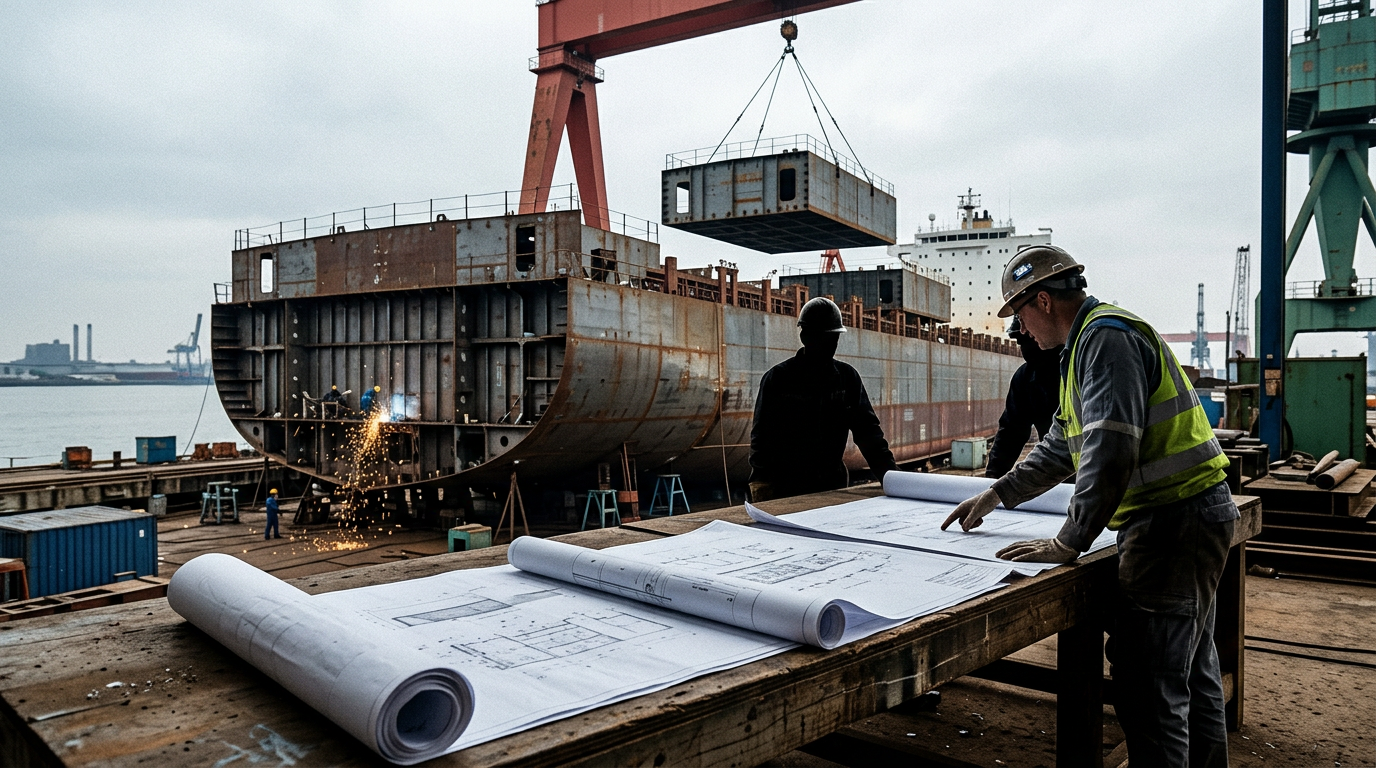
The United States Maritime Administration and CORE POWER (US) Inc. have entered into a formal cooperation agreement to develop a commercial pathway for nuclear-powered merchant ships. According to Hellenic Shipping News, this federal-private partnership aims to establish the regulatory and industrial infrastructure required for a U.S.-flagged nuclear fleet. The initiative is part of a broader strategy to revitalize the American maritime sector and regain global competitiveness.
The program is designed to counter the maritime dominance of China, which is currently investing in nuclear manufacturing and merchant ship concepts. CORE POWER intends to begin construction on these specialized vessels by 2028. To accelerate production, the plan involves utilizing shipbuilding capacity from allies in Japan and Korea for conventional hulls while focusing high-end nuclear integration and lifecycle support within the United States.
Nuclear propulsion offers significant operational advantages over traditional vessels by providing high power for several years without refueling and eliminating engine emissions. Maritime Administrator Stephen M. Carmel noted that this technology represents a major commercial opportunity that requires a complete system that is "safe, secure, licensable, and investable." This framework will address challenges regarding port operations, insurance, and workforce credentialing.
A dedicated domestic shipyard is planned to handle the installation of reactors, fueling, and long-term maintenance. This facility is expected to strengthen the broader industrial base by expanding the supply chain and the number of qualified nuclear engineers. The agreement aligns with the current administration's Maritime Action Plan to mobilize private investment and ensure national energy and maritime security.
Editorial Desk — Trade Flow Insight. Reporting and market notes compiled by the Trade Flow Insight editorial team.
Cobertura relacionada

Elison de la FMCSA vuelve a hablar de Motus; sigue sin haber fecha para la reparación completa
Chattanooga–No ha pasado tanto tiempo —menos de un mes— desde que Jesse Elison habló en un evento del sector y abordó el problema del asediado nuevo sistema de registro Motus. El administrador adjunto de la Federal Motor Carrier Safety Administration (FMCSA) habló el lunes en el Broker Compliance Symposium de FreightWaves, una de las dos sesiones de un día que sirven como preludio al mayor Future of Freight Festival que comienza aquí el martes. La mayor novedad de su presentación fue, en realidad, que no hubo ninguna: tras decir en la National Motor Freight Traffic Association a principios de

Camioneros mexicanos inician huelga nacional por la seguridad en las carreteras y el aumento de los costos
Las empresas de transporte por carretera mexicanas iniciaron el lunes una huelga nacional indefinida en protesta por la inseguridad en las carreteras, el robo de carga, la extorsión y el aumento de los costos operativos, con manifestaciones planificadas en los principales centros de carga a lo largo de la frontera entre México y Estados Unidos. La huelga, organizada por la Cámara Nacional del Autotransporte de Carga (CANACAR) y otras organizaciones de camioneros, exige manifestaciones en todo México, incluidos Nuevo Laredo, Reynosa, Monterrey, Tijuana y la Ciudad de México. Las protestas podrí

La administración Trump presenta una estrategia pesquera para impulsar la flota y la producción nacional de EE. UU.
La administración Trump presentó el viernes su America First Seafood Strategy, en la que esboza planes para fortalecer la industria pesquera comercial de EE. UU. a través de reformas regulatorias, inversiones en buques pesqueros e infraestructura costera,...