
Washington turns to nuclear power in shipbuilding revival
The United States Maritime Administration and CORE POWER have signed a cooperation agreement to develop a domestic fleet of nuclear-powered commercial vessels.
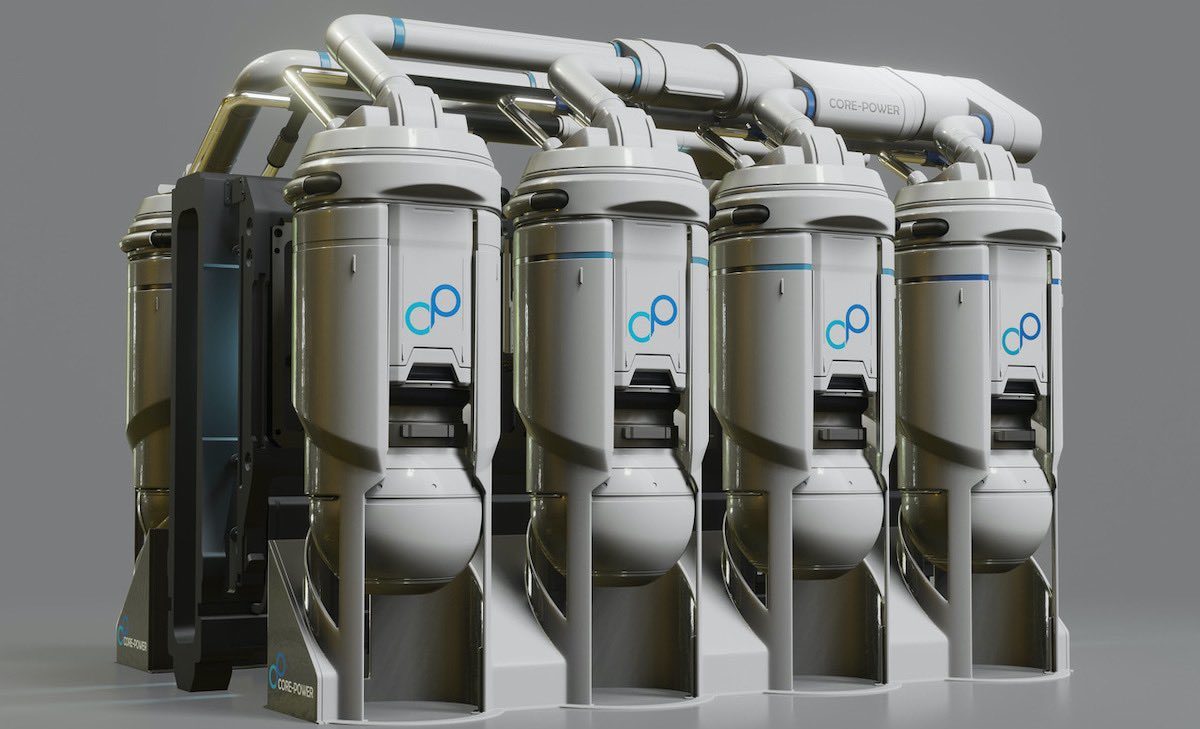
The United States Maritime Administration has entered into a formal cooperation agreement with CORE POWER to facilitate the development of nuclear-powered commercial vessels under the American flag. According to Splash 247, the partnership aims to overcome longstanding barriers that have previously limited nuclear propulsion technology to military applications. While the agreement does not involve direct financial commitments or vessel procurement by the government, it seeks to address regulatory and operational hurdles. This initiative aligns with a broader strategy by the Trump administration to revitalize domestic maritime capabilities in response to international competition. CORE POWER CEO Mikal Bøe noted that foreign competitors are already pursuing nuclear merchant ships, stating that this reality "should focus minds in Washington." The proposed model involves utilizing allied shipyards in Japan and South Korea for hull construction, while focusing nuclear integration and lifecycle support within the United States. The collaboration will establish a framework to tackle complex issues including reactor fueling, insurance, port access, and workforce training. This movement coincides with international efforts to update maritime safety codes for nuclear vessels by 2030. Additionally, other industry leaders are exploring similar paths, with Maersk reportedly preparing to investigate a transatlantic nuclear shipping corridor between the United Kingdom and the United States.
Editorial Desk — Trade Flow Insight. Reporting and market notes compiled by the Trade Flow Insight editorial team.
Cobertura relacionada

Elison de la FMCSA vuelve a hablar de Motus; sigue sin haber fecha para la reparación completa
Chattanooga–No ha pasado tanto tiempo —menos de un mes— desde que Jesse Elison habló en un evento del sector y abordó el problema del asediado nuevo sistema de registro Motus. El administrador adjunto de la Federal Motor Carrier Safety Administration (FMCSA) habló el lunes en el Broker Compliance Symposium de FreightWaves, una de las dos sesiones de un día que sirven como preludio al mayor Future of Freight Festival que comienza aquí el martes. La mayor novedad de su presentación fue, en realidad, que no hubo ninguna: tras decir en la National Motor Freight Traffic Association a principios de

Camioneros mexicanos inician huelga nacional por la seguridad en las carreteras y el aumento de los costos
Las empresas de transporte por carretera mexicanas iniciaron el lunes una huelga nacional indefinida en protesta por la inseguridad en las carreteras, el robo de carga, la extorsión y el aumento de los costos operativos, con manifestaciones planificadas en los principales centros de carga a lo largo de la frontera entre México y Estados Unidos. La huelga, organizada por la Cámara Nacional del Autotransporte de Carga (CANACAR) y otras organizaciones de camioneros, exige manifestaciones en todo México, incluidos Nuevo Laredo, Reynosa, Monterrey, Tijuana y la Ciudad de México. Las protestas podrí

La administración Trump presenta una estrategia pesquera para impulsar la flota y la producción nacional de EE. UU.
La administración Trump presentó el viernes su America First Seafood Strategy, en la que esboza planes para fortalecer la industria pesquera comercial de EE. UU. a través de reformas regulatorias, inversiones en buques pesqueros e infraestructura costera,...