
Why Maritime Operations Centers Need Fusion, Not Another Data Feed
Maritime Operations Centers require integrated data fusion rather than additional raw information feeds to improve military decision-making and naval command efficiency.
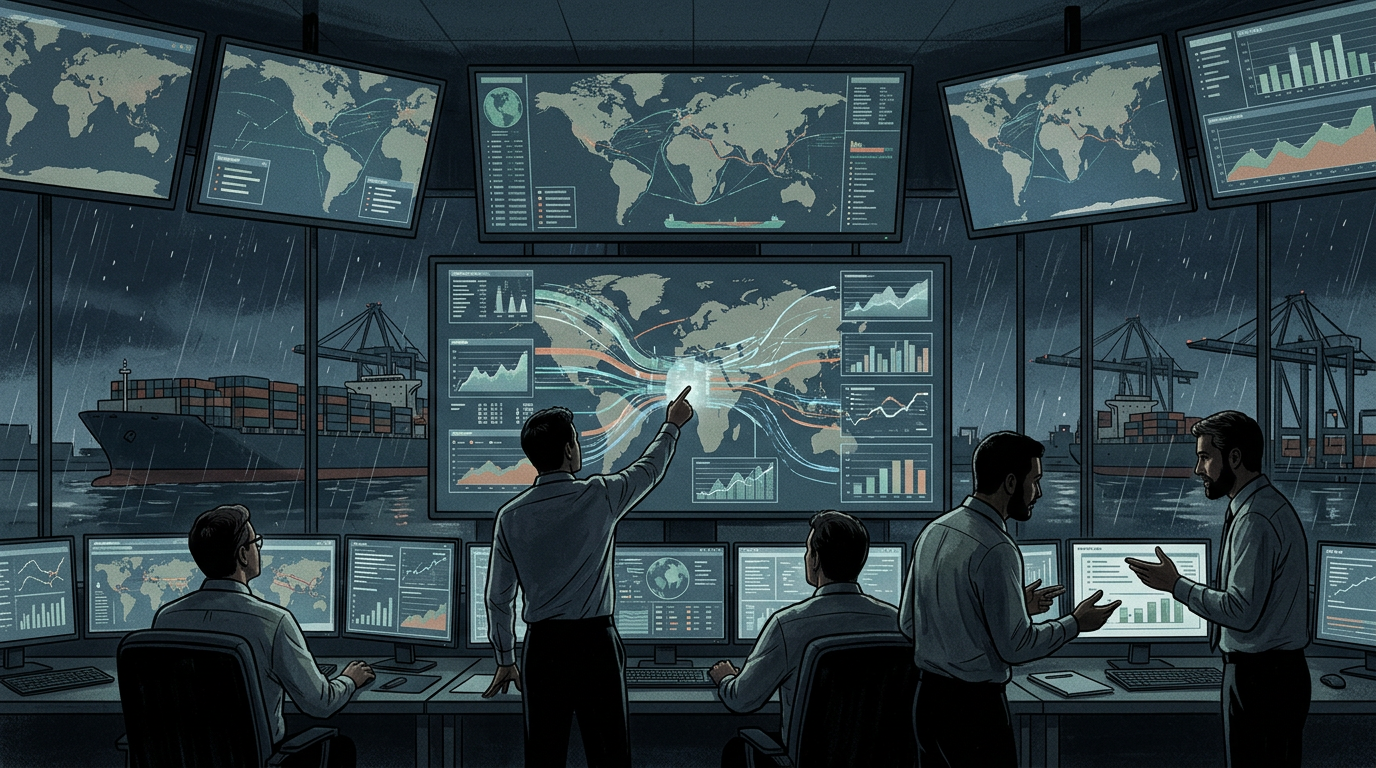
Naval Maritime Operations Centers are currently overwhelmed by high volumes of sensor data that exceed the processing capacity of human analysts. According to Hellenic Shipping News, the primary bottleneck for these centers is not the lack of information but the absence of a fusion layer capable of converting disparate pipelines into actionable intelligence for commanders at the necessary speed.
Military leadership is shifting focus toward integrating commercial tools directly into existing naval architectures rather than simply purchasing more vessel tracking feeds. During industry summits, officials emphasized that new inputs must synchronize with current common operational pictures. If data arrives through isolated channels, it forces analysts to manually cross-reference signals, which adds to their workload instead of providing a tactical advantage.
Effective integration requires commercial capabilities to adopt standardized formats that downstream tools can consume without translation. A true fusion platform allows the Navy to combine its own established data assets, such as shipboard and space-based sensors, with new commercial sources. This architectural approach ensures that years of prior analytical investment are preserved while enhancing the detection of behavioral anomalies and operational patterns.
Ultimately, the value of a commercial partnership is measured by the tradecraft embedded within its analytical layer. Rather than delivering raw streams that require manual reconciliation, vendors must provide mission-tuned outputs that weight various sources by reliability. The goal for modern maritime command is to achieve "multi-sensor data convergence" inside current workflows to support rapid decision-making during the transition from crisis to conflict.
Editorial Desk — Trade Flow Insight. Reporting and market notes compiled by the Trade Flow Insight editorial team.
Cobertura relacionada

Elison de la FMCSA vuelve a hablar de Motus; sigue sin haber fecha para la reparación completa
Chattanooga–No ha pasado tanto tiempo —menos de un mes— desde que Jesse Elison habló en un evento del sector y abordó el problema del asediado nuevo sistema de registro Motus. El administrador adjunto de la Federal Motor Carrier Safety Administration (FMCSA) habló el lunes en el Broker Compliance Symposium de FreightWaves, una de las dos sesiones de un día que sirven como preludio al mayor Future of Freight Festival que comienza aquí el martes. La mayor novedad de su presentación fue, en realidad, que no hubo ninguna: tras decir en la National Motor Freight Traffic Association a principios de

Camioneros mexicanos inician huelga nacional por la seguridad en las carreteras y el aumento de los costos
Las empresas de transporte por carretera mexicanas iniciaron el lunes una huelga nacional indefinida en protesta por la inseguridad en las carreteras, el robo de carga, la extorsión y el aumento de los costos operativos, con manifestaciones planificadas en los principales centros de carga a lo largo de la frontera entre México y Estados Unidos. La huelga, organizada por la Cámara Nacional del Autotransporte de Carga (CANACAR) y otras organizaciones de camioneros, exige manifestaciones en todo México, incluidos Nuevo Laredo, Reynosa, Monterrey, Tijuana y la Ciudad de México. Las protestas podrí

La administración Trump presenta una estrategia pesquera para impulsar la flota y la producción nacional de EE. UU.
La administración Trump presentó el viernes su America First Seafood Strategy, en la que esboza planes para fortalecer la industria pesquera comercial de EE. UU. a través de reformas regulatorias, inversiones en buques pesqueros e infraestructura costera,...