
Alkagesta Obtains ISCC CORSIA Certification for Sustainable Aviation Fuel
The new certification allows the biofuels firm to supply verified sustainable aviation fuel that meets international greenhouse gas reduction standards for airline compliance.

Alkagesta has secured ISCC CORSIA certification, a development that permits the company to engage in the trade and distribution of Sustainable Aviation Fuel (SAF). According to CCarbon Info, this credential verifies that the fuel products meet specific sustainability and lifecycle greenhouse gas reduction metrics established by the International Civil Aviation Organization (ICAO). The move comes as the global aviation industry enters a period of heightened scrutiny regarding emissions monitoring and regulatory adherence.
By obtaining this certification under an ICAO-approved framework, Alkagesta is now equipped to assist airlines in meeting their environmental mandates. The certification ensures that the fuel supplied is eligible under the Carbon Offsetting and Reduction Scheme for International Aviation (CORSIA). This structured approach to market participation is intended to provide airline counterparties with a reliable supply of SAF that has been vetted through a recognized international sustainability program.
Anthony Guida, a Biofuels Trader and Business Developer at Alkagesta, stated that the achievement highlights the firm's focus on "structured, compliant market participation." Guida noted that the certification establishes a transparent chain of custody and full traceability throughout the fuel supply chain. This transparency is critical for helping market participants adhere to both regional and international requirements for renewable fuel adoption in the aviation sector, according to the report.
The regulatory environment for aviation is becoming more stringent, particularly within Europe where initiatives like ReFuelEU Aviation have set mandatory blending targets for SAF. Furthermore, the European Union's Emissions Trading System is beginning to phase out free carbon allowances, increasing the financial necessity for airlines to utilize lower-carbon fuels. Alkagesta’s new certification aligns with these shifting market dynamics by providing a consistent framework for compliance across different global jurisdictions.
Dossier d'entreprise
Alkagesta
Alkagesta is a commodity trading company active in petroleum products, with a business built around fuel oil, gasoil and related refined products. Its activity spans physical supply, storage and the shipping arrangements required to move cargoes between refining centres and demand markets.
Toute la couverture de Alkagesta →Helena Marsh — Energy Markets Editor. Helena covers crude, refined products and the trading houses that move them, with a focus on price formation in the Mediterranean and Black Sea.
Articles liés
Le Brent atteint 114 $ alors que les attaques des Houthis menacent les infrastructures énergétiques saoudiennes
Les prix du pétrole brut étaient en passe d'enregistrer une forte hausse hebdomadaire, le Brent étant sur la voie d'un gain d'environ 6 $ par baril et le WTI enregistrant une progression beaucoup plus modeste, passant d'environ 99 $ le baril lundi à plus de 100 $ plus tôt aujourd'hui. Au moment de la rédaction, le brut Brent se négociait à 114,00 $ le baril et le West Texas Intermediate s'échangeait à 100,40 $ le baril, alors que les hostilités au Moyen-Orient restent à la une pour les négociants en pétrole. L'attention semble toutefois se porter sur les attaques des Houthis contre les infrast
Pourquoi Trump ne peut pas se permettre de perdre la course aux terres rares
Pendant des années, l'Occident a cherché une issue technologique aux terres rares. Les ingénieurs ont mis au point de nouvelles conceptions de moteurs, des chimies d'aimants alternatives et des matériaux qui réduisent, voire éliminent, le besoin de certains minéraux critiques. Chaque fois que la Chine renforce ses contrôles à l'exportation, ces efforts bénéficient d'un regain d'attention. Ils méritent d'être poursuivis. Mais ils ne répondent pas à la question que les fabricants doivent résoudre aujourd'hui. La capacité de production est devenue l'actif rare numéro un. Cette prise de conscience
Les produits chimiques du Moyen-Orient conservent leur avantage concurrentiel malgré la crise d'Ormuz
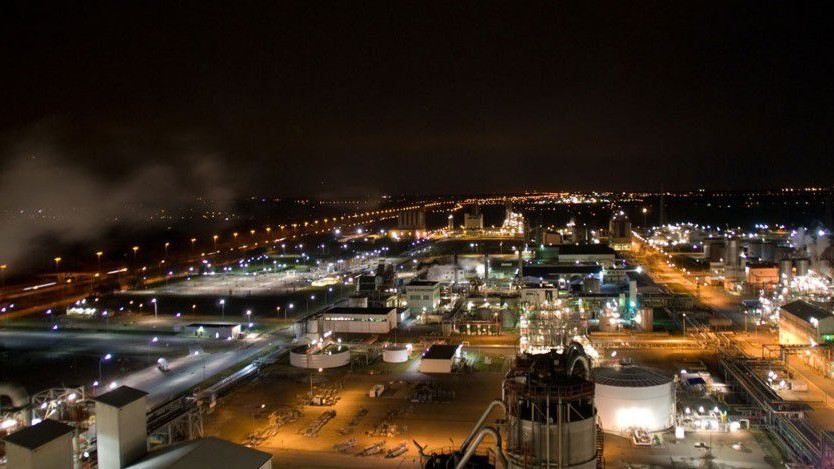
Malgré la guerre en Iran et la crise d'Ormuz, la production de produits chimiques à faible coût du Moyen-Orient est en passe de conserver son avantage à long terme sur les autres régions. Des changements à court terme dans l'approvisionnement en polymères ont lieu en raison des contraintes actuelles sur la base industrielle du golfe Persique, ce qui profite aux entreprises chimiques américaines. Mais à long terme, le Moyen-Orient devrait conserver sa base d'acheteurs car il dispose toujours des deux leviers pour être compétitif sur le marché mondial : une base de production étendue et, surtout