
Can Trump Isolate Iran Without Triggering a Clash With China?
The Trump administration launched a new campaign to isolate Iran financially, risking a diplomatic and economic confrontation with China over its oil purchases and banking ties.
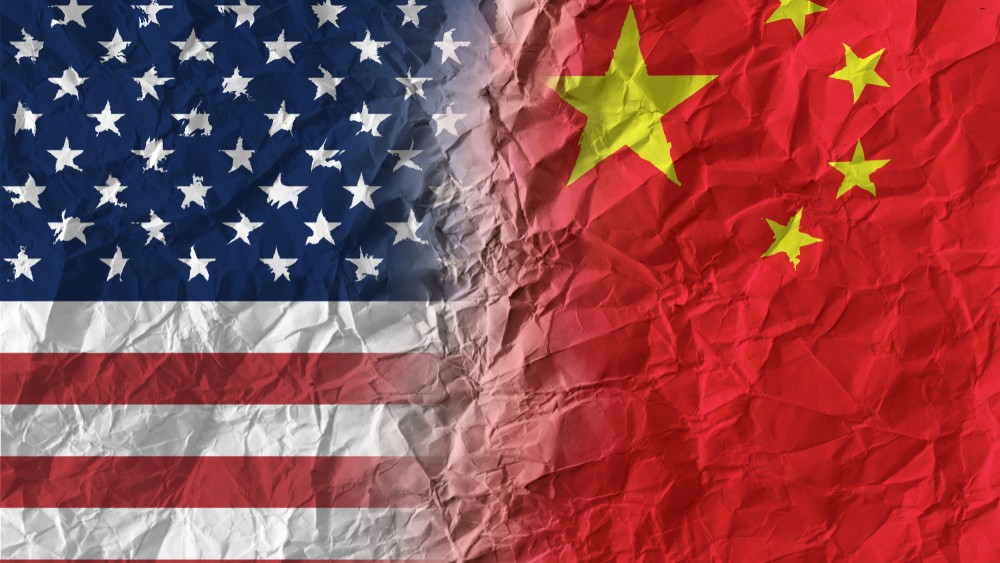
U.S. Treasury Secretary Scott Bessent has introduced a new initiative called Operation Economic Outcast to disconnect Iran from global commerce. According to OilPrice.com, the strategy forces foreign nations to decide between trading with Tehran or maintaining access to American financial markets. While the administration claims it has mapped out every network used to bypass existing restrictions, experts suggest the program’s success hinges on whether Washington will penalize major Chinese institutions.
The campaign faces a significant hurdle in China, which remains the primary purchaser of Iranian crude oil. Bessent noted that entities identified as violators would be given specific windows to end their prohibited relationships or lose access to the U.S. dollar system. However, imposing secondary sanctions on prominent Chinese banks could reignite a trade war just as President Xi Jinping prepares for a scheduled visit to Washington in September.
Former government officials and sanctions experts noted that the current approach serves as a public warning intended to influence behavior through diplomacy before implementing stricter measures. While some analysts believe targeting smaller, specialized banks could minimize global market disruption, others argue that meaningful pressure requires targeting larger entities. The Treasury Secretary emphasized that no organization is exempt, stating, "the clock just started ticking."
China’s embassy in Washington has expressed opposition to the plan, advocating for political dialogue rather than economic pressure. The ultimate effectiveness of the policy remains uncertain, as Tehran has a long history of utilizing front companies and shadow shipping to evade western controls. The administration appears to be using the threat of total isolation as leverage to bring Iran back to the negotiating table regarding regional security issues.
Editorial Desk — Trade Flow Insight. Reporting and market notes compiled by the Trade Flow Insight editorial team.
Articles liés
Le Brent atteint 114 $ alors que les attaques des Houthis menacent les infrastructures énergétiques saoudiennes
Les prix du pétrole brut étaient en passe d'enregistrer une forte hausse hebdomadaire, le Brent étant sur la voie d'un gain d'environ 6 $ par baril et le WTI enregistrant une progression beaucoup plus modeste, passant d'environ 99 $ le baril lundi à plus de 100 $ plus tôt aujourd'hui. Au moment de la rédaction, le brut Brent se négociait à 114,00 $ le baril et le West Texas Intermediate s'échangeait à 100,40 $ le baril, alors que les hostilités au Moyen-Orient restent à la une pour les négociants en pétrole. L'attention semble toutefois se porter sur les attaques des Houthis contre les infrast
Pourquoi Trump ne peut pas se permettre de perdre la course aux terres rares
Pendant des années, l'Occident a cherché une issue technologique aux terres rares. Les ingénieurs ont mis au point de nouvelles conceptions de moteurs, des chimies d'aimants alternatives et des matériaux qui réduisent, voire éliminent, le besoin de certains minéraux critiques. Chaque fois que la Chine renforce ses contrôles à l'exportation, ces efforts bénéficient d'un regain d'attention. Ils méritent d'être poursuivis. Mais ils ne répondent pas à la question que les fabricants doivent résoudre aujourd'hui. La capacité de production est devenue l'actif rare numéro un. Cette prise de conscience
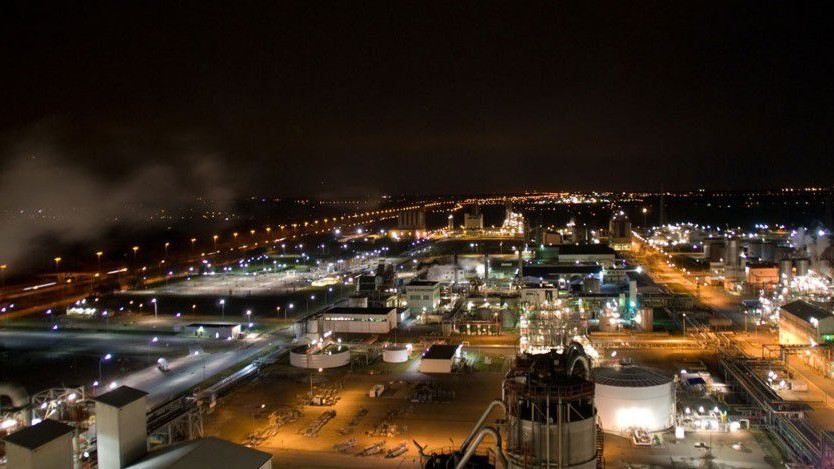
Les produits chimiques du Moyen-Orient conservent leur avantage concurrentiel malgré la crise d'Ormuz
Malgré la guerre en Iran et la crise d'Ormuz, la production de produits chimiques à faible coût du Moyen-Orient est en passe de conserver son avantage à long terme sur les autres régions. Des changements à court terme dans l'approvisionnement en polymères ont lieu en raison des contraintes actuelles sur la base industrielle du golfe Persique, ce qui profite aux entreprises chimiques américaines. Mais à long terme, le Moyen-Orient devrait conserver sa base d'acheteurs car il dispose toujours des deux leviers pour être compétitif sur le marché mondial : une base de production étendue et, surtout