
Iran Dismisses Trump Claim of Kharg Attack as Hostilities Return
Iranian officials have refuted social media claims made by Donald Trump regarding an attack on the country's primary oil export terminal while regional military strikes resume.
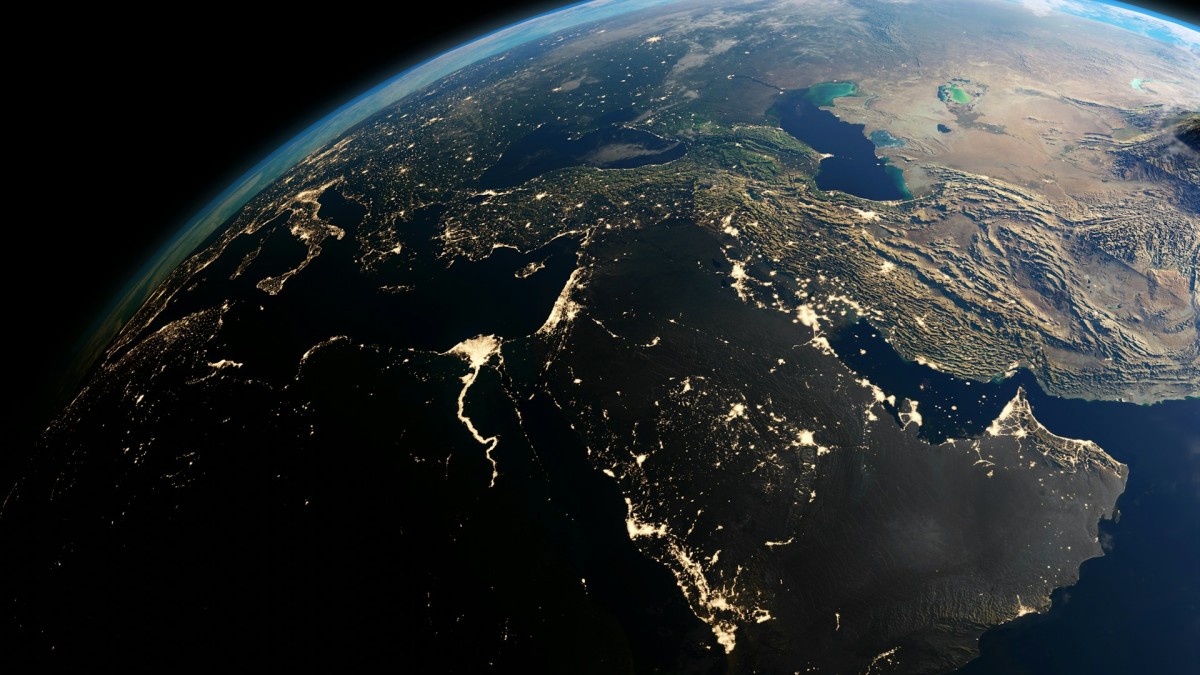
According to OilPrice.com, the National Iranian Oil Company has denied claims that Kharg Island, a critical energy hub in the northern Persian Gulf, was destroyed. The government agency dismissed a social media post by U.S. President Donald Trump that included an AI-generated video depicting the island being attacked. Hamid Bovard, the company's chief executive, described the assertions as "laughable" and maintained that operations at the terminal remain stable.
Kharg Island is responsible for approximately 90% of Iran's total petroleum exports. While the social media report claimed the site was being bombed, observers noted that there was no physical evidence of damage or military action at the facility as of Monday. The escalation in rhetoric coincided with a recent increase in actual military hostilities between U.S. forces and Iranian-backed groups following a period of relative calm.
U.S. Central Command confirmed strikes against Iranian rocket launchers situated on Larak Island, citing concerns that the hardware was being prepared for mining operations in the Strait of Hormuz. In response, the Islamic Revolutionary Guard Corps reported casualties and launched retaliatory strikes against U.S. military installations in Jordan. The Iranian Foreign Ministry stated it would continue to exercise its right to self-defense against any external aggression.
The renewal of conflict in these strategic maritime corridors impacted global energy markets, leading to an immediate rise in oil prices during Asian trading sessions. These events mark the first direct exchange of fire between the two nations in over a month, disrupting the temporary lull in regional violence. Despite the verified strikes elsewhere, the vital infrastructure at Kharg Island remains reportedly unaffected by the recent hostilities.
Helena Marsh — Energy Markets Editor. Helena covers crude, refined products and the trading houses that move them, with a focus on price formation in the Mediterranean and Black Sea.
Articles liés
Le Brent atteint 114 $ alors que les attaques des Houthis menacent les infrastructures énergétiques saoudiennes
Les prix du pétrole brut étaient en passe d'enregistrer une forte hausse hebdomadaire, le Brent étant sur la voie d'un gain d'environ 6 $ par baril et le WTI enregistrant une progression beaucoup plus modeste, passant d'environ 99 $ le baril lundi à plus de 100 $ plus tôt aujourd'hui. Au moment de la rédaction, le brut Brent se négociait à 114,00 $ le baril et le West Texas Intermediate s'échangeait à 100,40 $ le baril, alors que les hostilités au Moyen-Orient restent à la une pour les négociants en pétrole. L'attention semble toutefois se porter sur les attaques des Houthis contre les infrast
Pourquoi Trump ne peut pas se permettre de perdre la course aux terres rares
Pendant des années, l'Occident a cherché une issue technologique aux terres rares. Les ingénieurs ont mis au point de nouvelles conceptions de moteurs, des chimies d'aimants alternatives et des matériaux qui réduisent, voire éliminent, le besoin de certains minéraux critiques. Chaque fois que la Chine renforce ses contrôles à l'exportation, ces efforts bénéficient d'un regain d'attention. Ils méritent d'être poursuivis. Mais ils ne répondent pas à la question que les fabricants doivent résoudre aujourd'hui. La capacité de production est devenue l'actif rare numéro un. Cette prise de conscience
Les produits chimiques du Moyen-Orient conservent leur avantage concurrentiel malgré la crise d'Ormuz
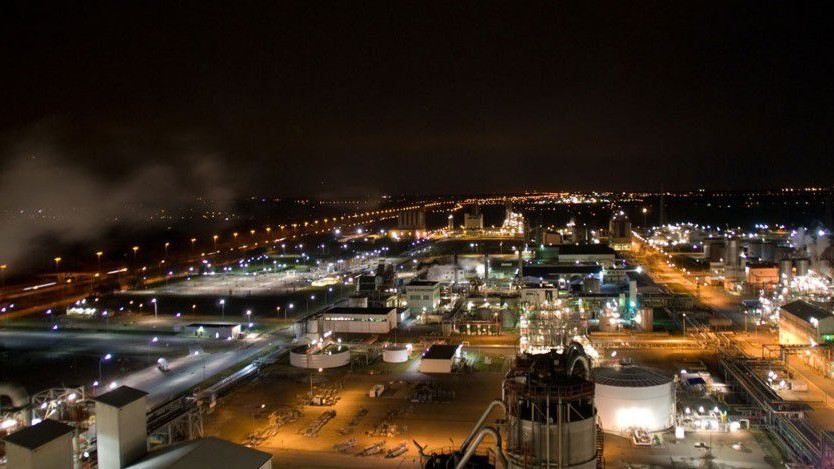
Malgré la guerre en Iran et la crise d'Ormuz, la production de produits chimiques à faible coût du Moyen-Orient est en passe de conserver son avantage à long terme sur les autres régions. Des changements à court terme dans l'approvisionnement en polymères ont lieu en raison des contraintes actuelles sur la base industrielle du golfe Persique, ce qui profite aux entreprises chimiques américaines. Mais à long terme, le Moyen-Orient devrait conserver sa base d'acheteurs car il dispose toujours des deux leviers pour être compétitif sur le marché mondial : une base de production étendue et, surtout