
Iranian Oil Starts Flowing to Tajikistan Despite U.S. Sanctions Risk
Dushanbe begins receiving Iranian energy supplies to reduce reliance on Russian fuel, despite the threat of secondary U.S. sanctions targeting Tehran's petroleum sector.
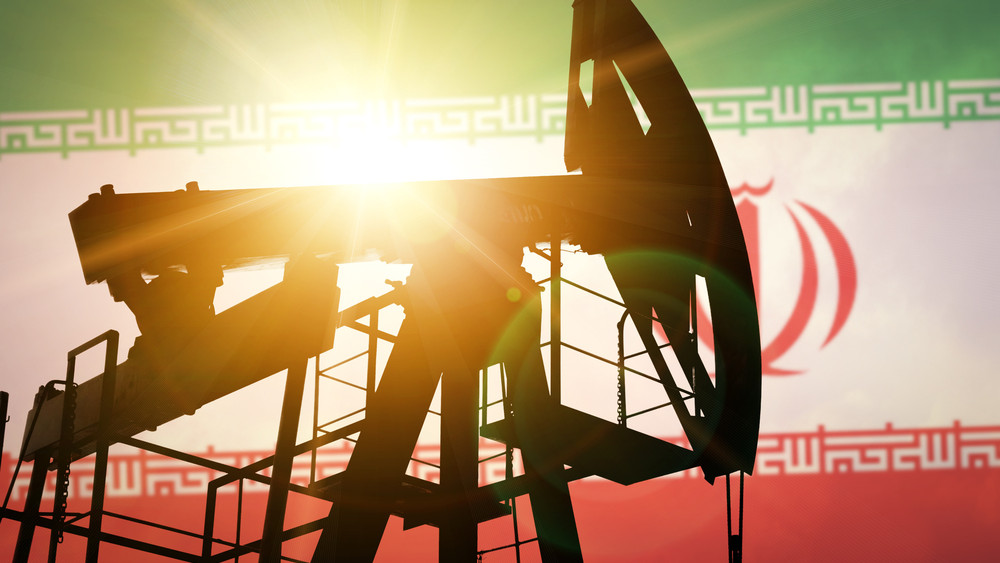
Tajikistan has started importing oil and petroleum products from Iran, marking a shift toward diversifying its energy sources. According to OilPrice.com, the Tajikistan Ministry of Energy and Water Resources confirmed that these deliveries commenced in late August following bilateral discussions. While the ministry acknowledged the shipments, it has not yet provided specific details regarding the total volume, commercial terms, or the logistics used to transport the fuel to the landlocked nation.
This move comes as Tajikistan attempts to stabilize its energy sector amid supply volatility from Russia. Historically, Russian exports have accounted for over 90 percent of Tajikistan's fuel imports, but recent refinery disruptions and export curbs in Russia have forced Dushanbe to seek alternatives. Tajik officials have expressed interest in securing up to 2.55 million tons of Iranian crude and refined products annually to cover domestic requirements for diesel, gasoline, and aviation fuel.
The burgeoning energy partnership faces potential complications from U.S. secondary sanctions. Treasury Department spokesperson Gigi O'Connell told RFE/RL that while they would not comment on specific allegations, the Iranian petroleum sector remains under heavy sanctions pressure. O'Connell warned that any entity choosing to operate in that sector "incurs that risk themselves," noting that those facilitating trade with the Iranian regime could be excluded from the U.S. financial system.
Bilateral relations between Dushanbe and Tehran have improved recently, following a period of diplomatic tension in the mid-2010s. The two nations, which share cultural and linguistic ties, have since signed hundreds of cooperation agreements covering trade, defense, and technology. Analysts suggest that while Tajikistan is pursuing its own economic interests, it must now carefully navigate a diplomatic balance between its regional energy needs and the sanctions policies enforced by Washington.
Helena Marsh — Energy Markets Editor. Helena covers crude, refined products and the trading houses that move them, with a focus on price formation in the Mediterranean and Black Sea.
Articles liés
Le Brent atteint 114 $ alors que les attaques des Houthis menacent les infrastructures énergétiques saoudiennes
Les prix du pétrole brut étaient en passe d'enregistrer une forte hausse hebdomadaire, le Brent étant sur la voie d'un gain d'environ 6 $ par baril et le WTI enregistrant une progression beaucoup plus modeste, passant d'environ 99 $ le baril lundi à plus de 100 $ plus tôt aujourd'hui. Au moment de la rédaction, le brut Brent se négociait à 114,00 $ le baril et le West Texas Intermediate s'échangeait à 100,40 $ le baril, alors que les hostilités au Moyen-Orient restent à la une pour les négociants en pétrole. L'attention semble toutefois se porter sur les attaques des Houthis contre les infrast

Pourquoi Trump ne peut pas se permettre de perdre la course aux terres rares
Pendant des années, l'Occident a cherché une issue technologique aux terres rares. Les ingénieurs ont mis au point de nouvelles conceptions de moteurs, des chimies d'aimants alternatives et des matériaux qui réduisent, voire éliminent, le besoin de certains minéraux critiques. Chaque fois que la Chine renforce ses contrôles à l'exportation, ces efforts bénéficient d'un regain d'attention. Ils méritent d'être poursuivis. Mais ils ne répondent pas à la question que les fabricants doivent résoudre aujourd'hui. La capacité de production est devenue l'actif rare numéro un. Cette prise de conscience
Les produits chimiques du Moyen-Orient conservent leur avantage concurrentiel malgré la crise d'Ormuz
Malgré la guerre en Iran et la crise d'Ormuz, la production de produits chimiques à faible coût du Moyen-Orient est en passe de conserver son avantage à long terme sur les autres régions. Des changements à court terme dans l'approvisionnement en polymères ont lieu en raison des contraintes actuelles sur la base industrielle du golfe Persique, ce qui profite aux entreprises chimiques américaines. Mais à long terme, le Moyen-Orient devrait conserver sa base d'acheteurs car il dispose toujours des deux leviers pour être compétitif sur le marché mondial : une base de production étendue et, surtout