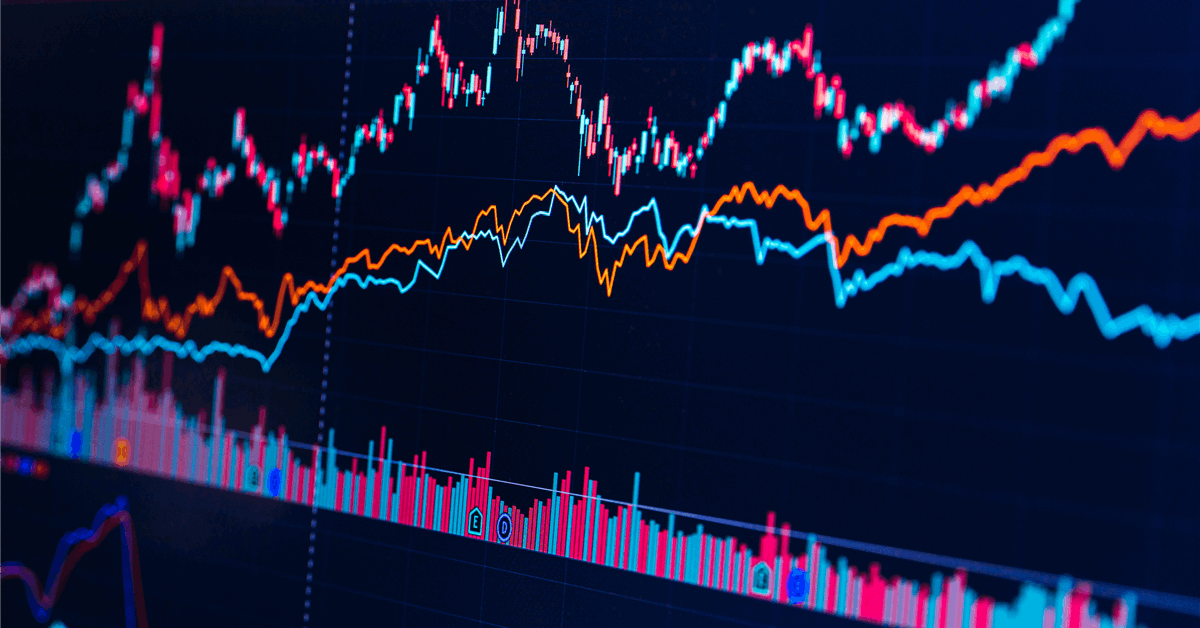
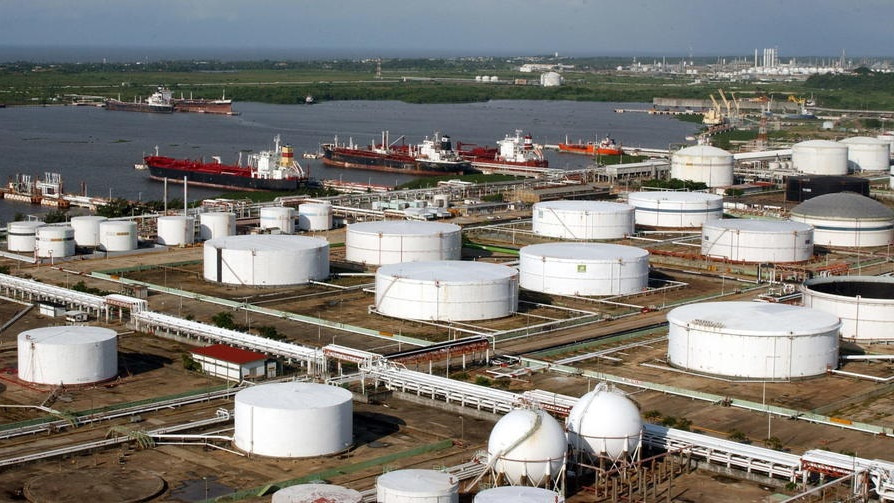
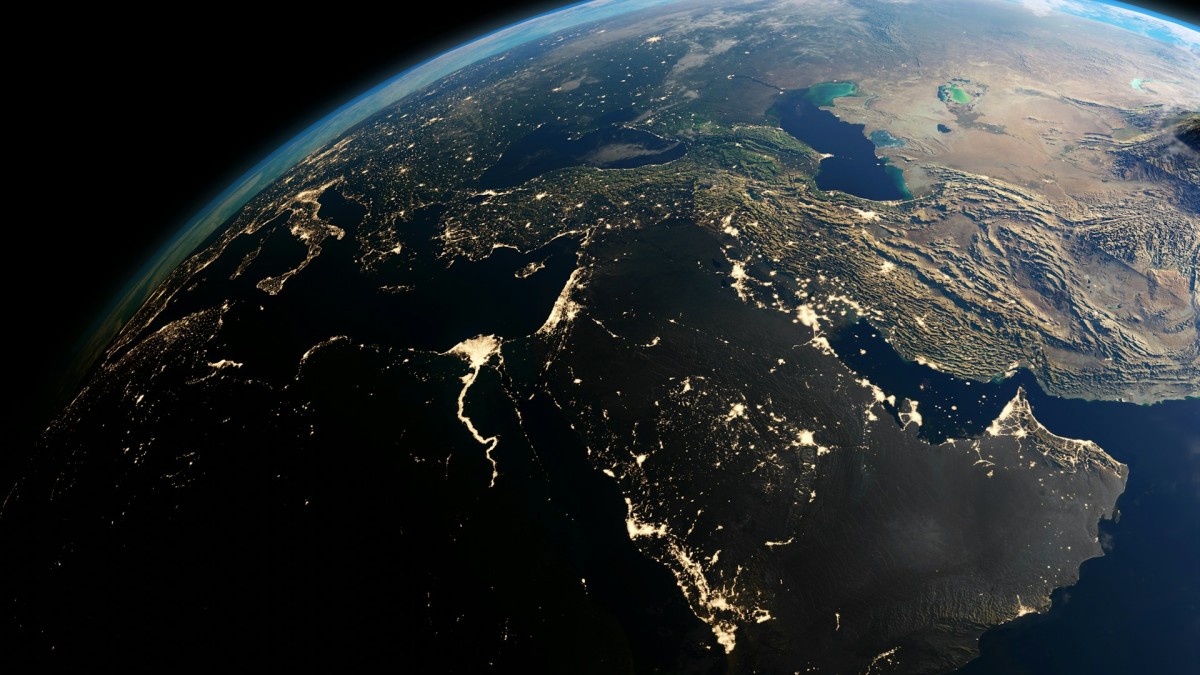
A kőolajárak éles heti emelkedés felé tartottak: a Brent kőolaj hordónként körülbelül 6 dolláros nyereségre, míg a WTI egy sokkal szerényebb, a hétfői hordónkénti 99 dollár körüli szintről a mai napon 100 dollár fölé történő elmozdulásra számíthatott. A cikk írásakor a Brent kőolaj 114,00 dolláron, a West Texas Intermediate pedig 100,40 dolláron cserélt gazdát, miközben a közel-keleti ellenségeskedések továbbra is a címlapokon szerepelnek az olajkereskedők számára. A figyelem azonban úgy tűnik, a szaúdi infrastruktúra – beleértve az Aramco létesítményeit – elleni húti támadásokra összpontosul.
Hónapokig tartó magas energiaárak után Európa arra számíthat, hogy az üzemanyagköltségek a téli hónapokban is tovább emelkednek a növekvő kereslet miatt. A folyamatos energiakereskedelmi korlátozások és a közel-keleti energiainfrastruktúrát érő fenyegetések várhatóan korlátozzák a globális energiaellátást és tovább hajtják felfelé az árakat, ami súlyosan érinti a fogyasztókat, hacsak a kormányok nem avatkoznak be. Az Európai Unió (EU) az előzetes becslések szerint idén eddig 100 milliárd eurót fizetett ki pluszban olajért és gázért, ami arra késztette az uniós minisztereket, hogy megoldásokat
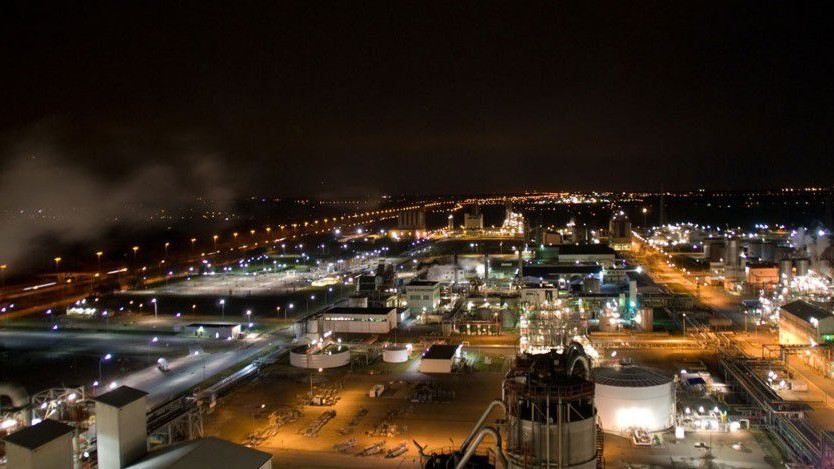
Az iráni háború és a Hormuzi-szoros válsága ellenére a Közel-Kelet alacsony költségű vegyipari termelése hosszú távon megőrzi előnyét más régiókkal szemben. A Perzsa-öböl ipari bázisának jelenlegi korlátai miatt rövid távon változások tapasztalhatók a polimerek beszerzésében, ami kedvez az amerikai vegyipari vállalatoknak. Hosszabb távon azonban a Közel-Kelet várhatóan megtartja vásárlói bázisát, mivel továbbra is rendelkezik a globális piaci versenyképesség két pillérével: a kiterjedt termelési bázissal és mindenekelőtt az alacsony költségekkel.
Az Egyesült Államok, Izrael és Irán háborújának első három hónapjában az uralkodó hangulat az olajpiacokon az volt, hogy a konfliktus bármelyik nap véget érhet. A rövid júniusi tűzszünet megerősítette ezt az optimizmust, így tovább tartott a tényekkel való szembenézés: a háború nem ér véget egyik napról a másikra. Akár jövőre is elhúzódhat – ez pedig hosszabb ideig tartó magasabb árakat jelent. Az ICE Brent crude határidős szerződés 2027 januárjára hordónként 102,59 dolláron forog. A 2027. júniusi kontraktus csak valamivel alacsonyabb, hordónként 92,71 dollár, a decemberi pedig...
Az olajárak kedden visszahúzódtak, megtörve a közelmúltbeli nyereséget, mivel a befektetők mérlegelték a közel-keleti termelők export-visszakapcsolódásának jeleit az iráni háború sorsát övező bizonytalansággal szemben. A novemberi szállítású Brent kőolaj 1,5%-kal, 103,72 dollárra esett hordónként keleti parti idő szerint délután 1 óra 10 perckor, míg az októberi szállítású WTI kőolaj 2,2%-kal, 90,62 dollárra csökkent hordónként. A régióból származó kőolajexport szeptemberben napi 15,5 millió hordóra emelkedett, ami a háború előtti szintek több mint 80%-ának felel meg, és a legmagasabb szint a
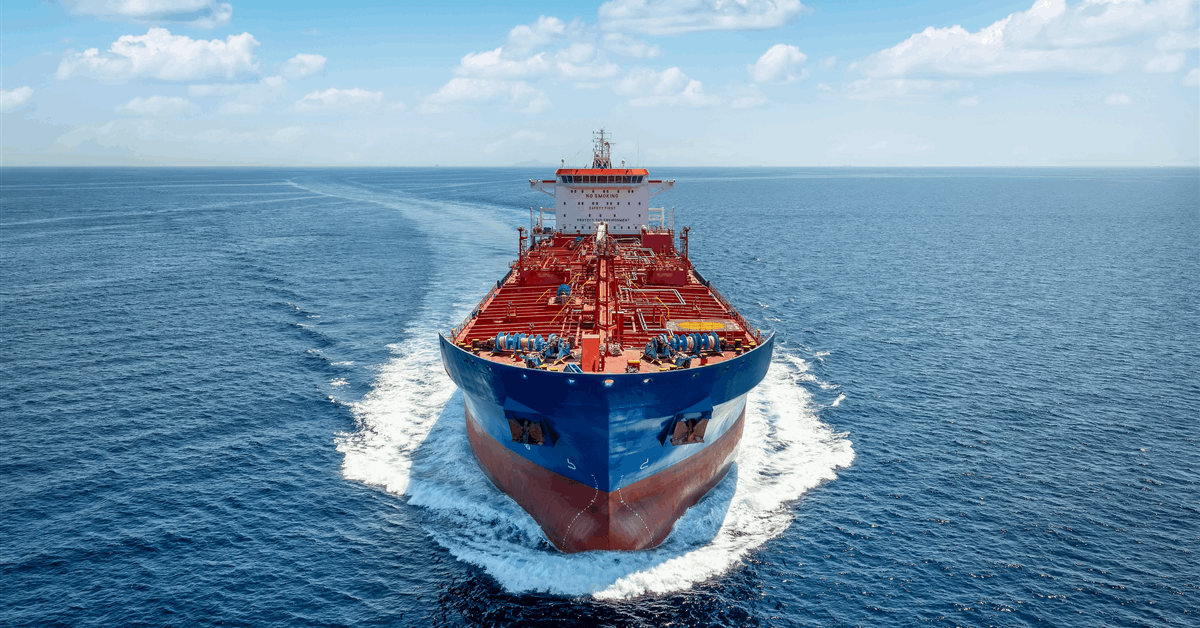
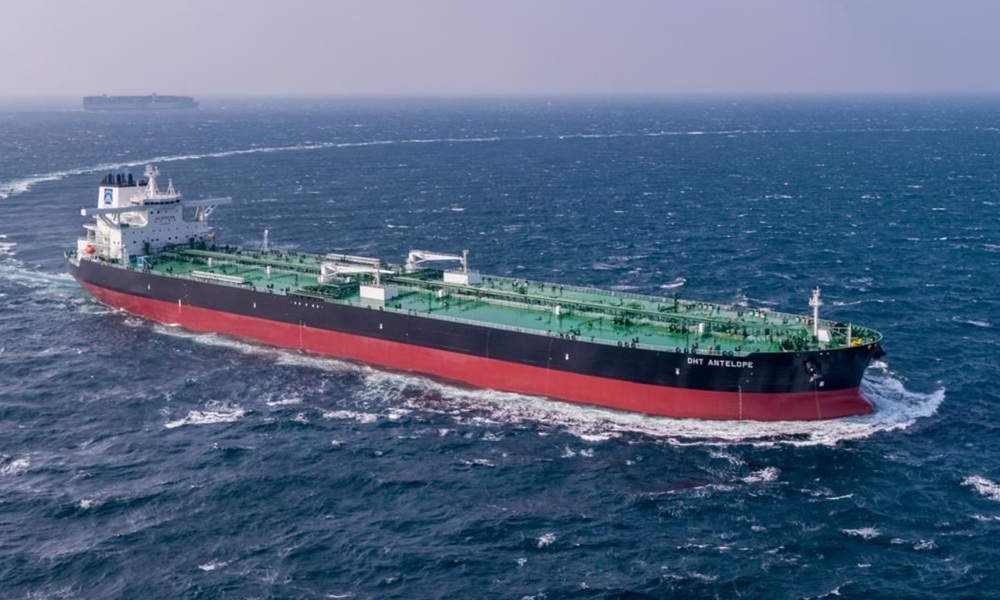
The VLCC market has reached levels that would have sounded absurd only months ago. Middle East-China earnings have pushed beyond $1m a day, Atlantic routes have surged into the hundreds of thousands and secondhand values have exploded to the point where rust-stained 15-year-old VLCCs are changing hands for more than newbuilds. The argument now dividing …
The defining feature of the current asset market is not limited to five-year-old tonnage trading above newbuilding prices. Repricing spans the entire age curve and intensifies with vessel age. VLCC values are up 30% year-over-year at five years, 42% at ten years, 61% at fifteen years, and 90% at twenty years. The Suezmax curve shows ...
Iran on Monday dismissed as “laughable” a Truth Social AI-generated post by U.S. President Donald Trump that the key Iranian oil export hub of Kharg Island is “being blown to smithereens”, as tensions in the Middle East boiled up again with U.S. attacks and Iranian claims of retaliatory strikes. President Trump late on Sunday posted an AI-generated video on his Truth Social platform, with the caption “Kharg Island being blown to smithereens!!! President DJT”. In response to the post, Iran on Monday said, via…
There is always a winner in any major global oil crisis. In 1973/74, it was Saudi Arabia and its OPEC brothers who shifted the balance of power in the market away from the previous arrangement dominated by the West’s ‘Seven Sisters’ to the oil producers of the Middle East. After the 2014-2016 Oil Price War, it was the U.S. whose earlier nascent shale oil sector resisted the threat to its very existence from Saudi Arabia and OPEC, reorganising into a meaner, leaner, lower-cost oil production machine. The U.S. was the winner again…
The intra-Asia container freight market strengthened for a third consecutive week as unrest in the Middle East and typhoon-related disruption across China tightened capacity and pushed rates higher on most major trades. Drewry’s Intra-Asia Container Index (IACI), a benchmark widely monitored by procurement teams, rose 6% week on week on 20 August, to $1,091 per 40ft, and the consultant expects prices to continue increasing in the coming weeks, supported by persistent ... The post War and weather continue to limit intra-Asia capacity and keep rates high appeared first on The Loadstar .
Crude oil is “very quietly” moving through the Strait of Hormuz at a premium of about $10/b, but products are not, leading to a “very strange” market dynamic with bearish crude and bullish fuel, TotalEnergies CEO Patrick Pouyanne said Aug. 24, while restating the company’s commitment to the Middle East. Speaking at the ONS oil ...
Indonesia, Malaysia and Singapore — countries that share the primary stewardship of the Strait of Malacca — said on Tuesday they were committed to keeping the narrow corridor and the waters around it “free, open and safe for international shipping.”
Equinor sees a multi-billion LNG export project in Tanzania becoming more attractive for development amid the Middle East conflict that has crippled liquefied natural gas supply through the Strait of Hormuz, a senior executive at the Norwegian energy major said on Tuesday. However, Equinor and its co-operator of the project, Shell, have been locked in difficult negotiations with the government and authorities in Tanzania for years and the provisional Tanzania LNG project has not advanced much this decade. “You don't want to wait too long…
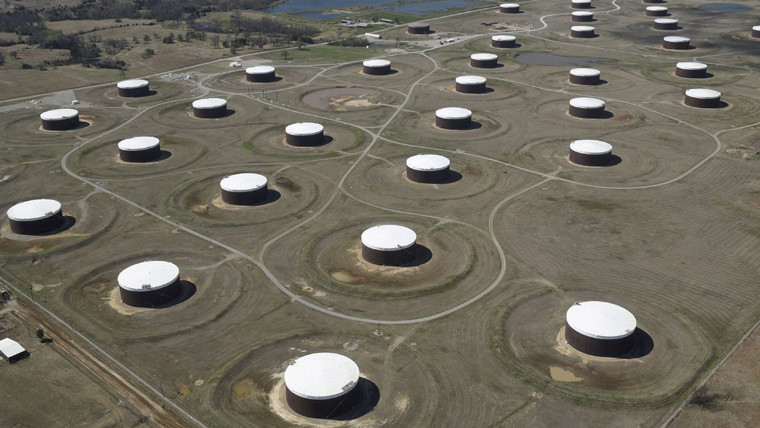
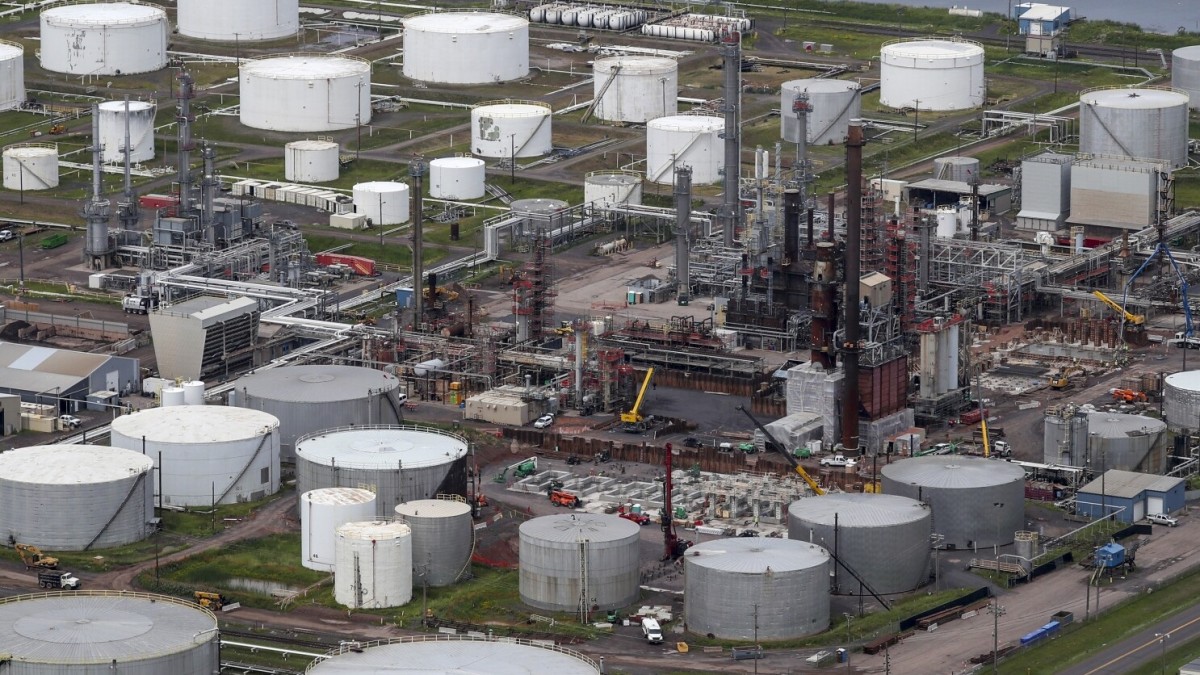
U.S. refineries have been running at full speed for months to make up for lost fuel supply from the Middle East. Fuel exports from the United States have been breaking records. This may be about to change, and not because of the war. It is oil sands maintenance season in Canada. In September, Canadian crude oil production may drop by 300,000 barrels daily due to maintenance activities in the oil sands, Rystad Energy said this week, as quoted by Bloomberg. Usually, whenever such a seasonal disruption occurs, it gets offset with crude from storage.…
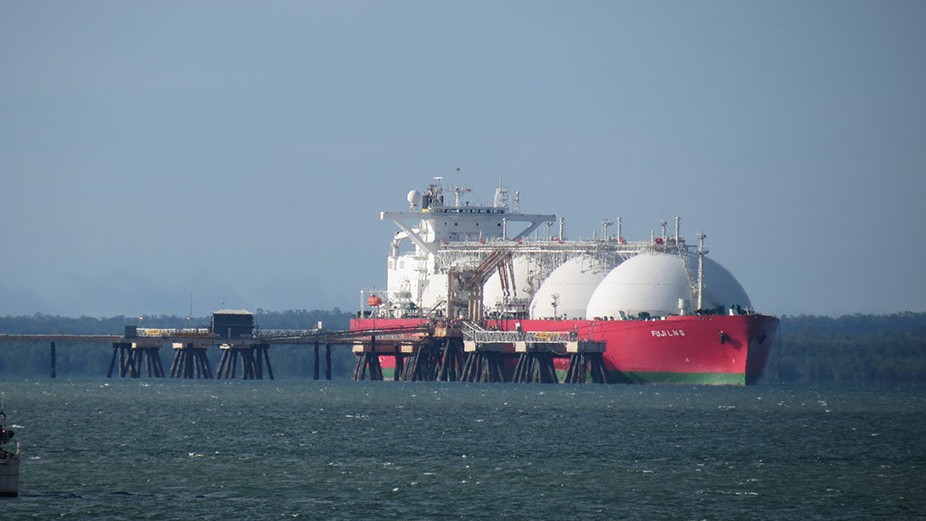
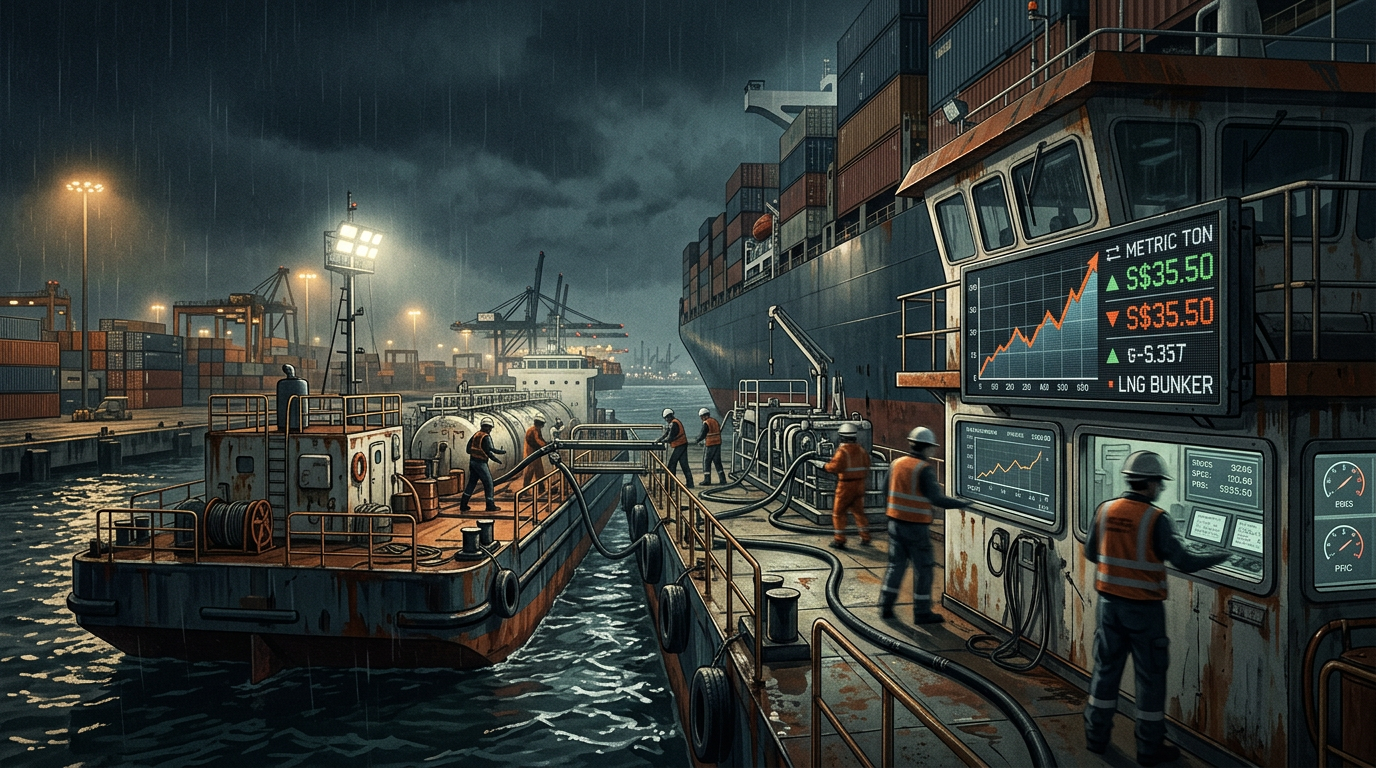
Rotterdam Rotterdam’s LNG bunker price has jumped by $70/mt, mirroring gains in the front-month Dutch TTF natural gas contract. Over the past week, TTF has climbed by around 6% to $22.41/MMBtu ($1,165/mt). The latest rally in TTF prices has been driven by the escalating US-Iran tensions and growing concerns over energy shipments through the Strait ...
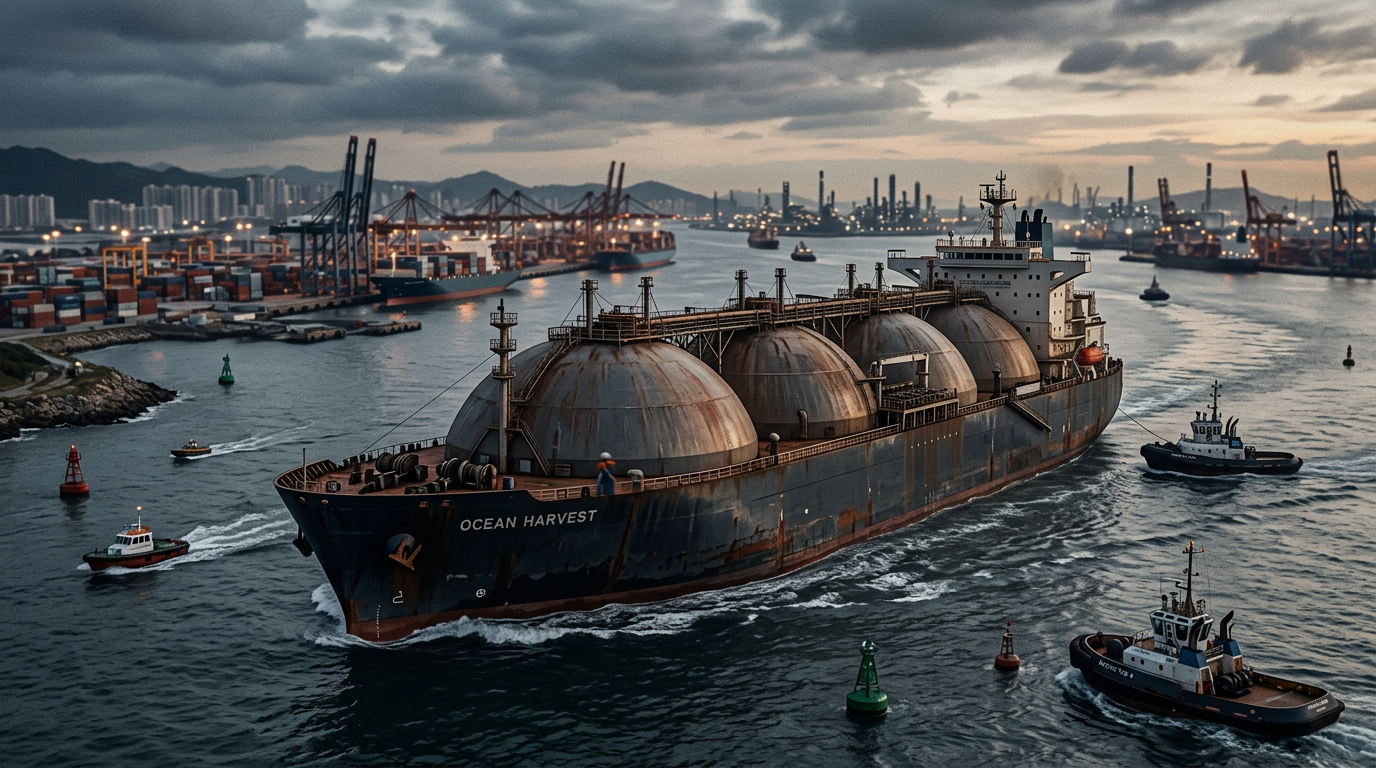
The LNG shipping market is witnessing the emergence of Mexico’s LNG export corridor, underlying the growing influence of the Pacific LNG trade. In its latest weekly report, shipbroker Intermodal said that “amid broader uncertainty in the LNG market, the outlook is being shaped by disruptions to Middle Eastern flows, an uncertain Qatari recovery, and Europe’s ...
U.S. offshore engineering and construction player McDermott has won an engineering, procurement, construction and installation (EPCI) assignment for a gas development project off the coast of the United Arab Emirates (UAE), enabling it to deliver one of the Middle East’s heaviest offshore topsides. The post McDermott clinches over $1 billion EPCI job for ADNOC’s $6.2B giant gas project appeared first on Offshore Energy .