
Freight Market Health: What 13.57% Rejections Mean
Truckload tender rejection rates have settled at 13.57%, signaling a stabilizing market that experts suggest represents a new baseline for tightness ahead of fourth-quarter volatility.
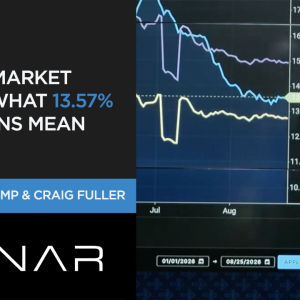
According to FreightWaves, truckload tender rejections have stabilized at approximately 13.57% following a seasonal peak that exceeded 17.5% in early July. This current level is being characterized by industry analysts as a healthy baseline rather than a sign of market fatigue. Data indicates a significant recovery from the start of the year, when rejection rates bottomed out at roughly 6% in January, suggesting the market has established a new floor for the current cycle.
During a recent SONAR data review, Craig Fuller noted that the threshold for market tightness has shifted. While brokers previously viewed an 8% rejection rate as a sign of a constrained market, that sentiment now applies to levels between 12% and 13%. At these current rates, intermediaries are seeing an increase in leverage with shippers. Despite the apparent stability, analysts expect upward pressure to return as the industry enters the final months of the year.
Market experts point to several seasonal factors that could drive rejection rates higher through the autumn. These include back-to-school shipping demands, a late Labor Day, and efforts by retailers to move West Coast imports early to mitigate inventory risks. Additionally, the industry is monitoring the impact of regulatory enforcement regarding driver licensing and English proficiency, which may affect year-over-year comparisons as the market approaches the one-year anniversary of these crackdowns.
Spot rates are already reflecting these shifting dynamics, showing a 7% increase in late August that recovered earlier monthly losses. Currently, accepted truckload volumes and total tender volumes are moving synchronously, creating a predictable environment for logistics planning. While carriers are successfully securing rate increases, shippers have not yet experienced significant service disruptions, providing a brief window for participants to balance their spot and contract freight allocations.
Editorial Desk — Trade Flow Insight. Reporting and market notes compiled by the Trade Flow Insight editorial team.
Kapcsolódó cikkek

Az FMCSA részéről Elison ismét a Motus ügyével foglalkozott, de a teljes javítás dátuma továbbra sem ismert
Chattanooga – Nem telt el hosszú idő – kevesebb mint egy hónap –, mióta Jesse Elison egy iparági rendezvényen beszélt a nehézségekkel küzdő új Motus regisztrációs rendszer problémájáról. A Federal Motor Carrier Safety Administration (FMCSA) igazgatóhelyettese hétfőn a FreightWaves Broker Compliance Symposiumán beszélt, amely egyike annak a két egynapos ülésnek, amelyek a kedden kezdődő, nagyobb Future of Freight Festival előzményei. Prezentációjának legfontosabb híre valójában nem volt hír: miután a National Motor Freight Traffic Association október eleji ülésén azt mondta, hogy az FMCSA „hete

A mexikói teherfuvarozók országos sztrájkot hirdettek az autópályák biztonsága és a növekvő költségek miatt
A mexikói teherfuvarozó vállalatok hétfőn határozatlan idejű országos sztrájkot hirdettek az autópályák biztonságának hiánya, a rakománylopások, a zsarolások és a növekvő működési költségek miatt, tüntetéseket tervezve az USA-Mexikó határ menti jelentősebb áruszállítási csomópontokon. A National Chamber of Freight Transportation (CANACAR) és más fuvarozói szervezetek által szervezett sztrájk demonstrációkra szólít fel egész Mexikóban, többek között Nuevo Laredo, Reynosa, Monterrey, Tijuana és Mexikóváros területén. A tiltakozások megzavarhatják az áruszállítást Észak-Amerika egyik legforgalmas

A Trump-kormányzat bemutatta a tenger gyümölcseire vonatkozó stratégiáját az amerikai halászflotta és a hazai termelés fellendítése érdekében
A Trump-kormányzat pénteken bemutatta az America First Seafood Strategy-t, amelyben vázolja az amerikai kereskedelmi halászat megerősítésére irányuló terveket szabályozási reformok, valamint a halászhajókba és a parti infrastruktúrába történő beruházások révén...