
Google Maps Just Launched Truck-Aware Routing That Knows About Low Bridges and Weight Limits. Here Is What It Means, and What It Does Not.
Google Maps Platform has released Large Vehicle Routing to help commercial fleets avoid low bridges and weight-restricted roads through specialized developer tools.
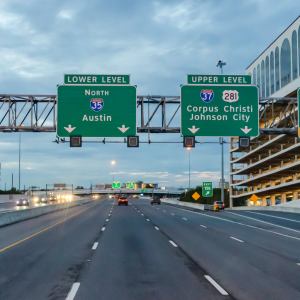
Google has launched Large Vehicle Routing to address the common industry problem of commercial drivers being misdirected by consumer-grade navigation apps. According to FreightWaves, this new technology is designed to prevent accidents such as bridge strikes and weight limit violations. By utilizing specialized road data, the system helps large vehicles navigate paths that are physically safe and legally compliant for their specific dimensions.
The technology is currently available as a suite of developer tools, including the Routes API and a Navigation SDK. Rather than a standalone mobile app for consumers, these components allow software companies to integrate truck-specific navigation into their own professional fleet management platforms. This allows for the creation of precise vehicle profiles that account for a truck's height, width, weight, axle count, and any hazardous materials on board.
The system provides updated arrival estimates based on observed truck speeds rather than passenger car traffic patterns. It also features a "route token" designed to synchronize the directions viewed by office dispatchers with what the driver sees on their in-cab display. Google Maps Platform product manager Mohit Moondra described the offering as a version of the company's routing technology built specifically for the requirements of commercial buses and trucks.
While the entry of a major technology firm into the trucking sector signals increased competition, the tools are intended to support rather than replace driver intuition. The new APIs aim to reduce the manual checks often required by fleet managers while improving overall safety. However, the practical benefits for most operators will depend on how quickly third-party telematics and dispatch software providers choose to incorporate these new Google capabilities into their products.
Editorial Desk — Trade Flow Insight. Reporting and market notes compiled by the Trade Flow Insight editorial team.
Схожі матеріали

Елісон з FMCSA знову згадує Motus, але терміни повноцінного відновлення все ще невідомі
Чаттануга – Минуло небагато часу – менш як місяць – відколи Джессі Елісон виступив на галузевому заході та торкнувся питання проблемної нової системи реєстрації Motus. Заступник адміністратора Федерального управління з безпеки автомобільних перевезень (FMCSA) виступив у понеділок на симпозіумі з питань комплаєнсу брокерів, організованому FreightWaves, — одній з двох одноденних сесій, що служать прелюдією до більшого фестивалю Future of Freight Festival, який розпочинається тут у вівторок. Головною новиною в його презентації фактично стала відсутність новин: після того, як на початку жовтня на

Мексиканські далекобійники розпочали національний страйк через безпеку на автошляхах та зростання витрат
Мексиканські транспортні компанії розпочали в понеділок безстроковий загальнонаціональний страйк на знак протесту проти відсутності безпеки на автошляхах, крадіжок вантажів, вимагання та зростання експлуатаційних витрат. Демонстрації заплановані у великих логістичних вузлах уздовж кордону між США та Мексикою. Страйк, організований Національною палатою вантажних перевезень (CANACAR) та іншими галузевими організаціями, передбачає проведення акцій по всій території Мексики, зокрема в Нуево-Ларедо, Рейносі, Монтерреї, Тіхуані та Мехіко. Протести можуть порушити вантажоперевезення через деякі з най

Адміністрація Трампа оприлюднила стратегію щодо морепродуктів для підтримки риболовецького флоту США та внутрішнього виробництва
Адміністрація Трампа в п'ятницю оприлюднила свою стратегію America First Seafood Strategy, окресливши плани щодо зміцнення комерційної риболовецької галузі США через регуляторні реформи, інвестиції в риболовецькі судна та берегову інфраструктуру...