
Supertankers Racing to Middle East Worsen Ship Crunch
A surge of supertankers toward the Middle East to capitalize on record freight rates is creating a global vessel shortage and driving up shipping costs for international crude routes.
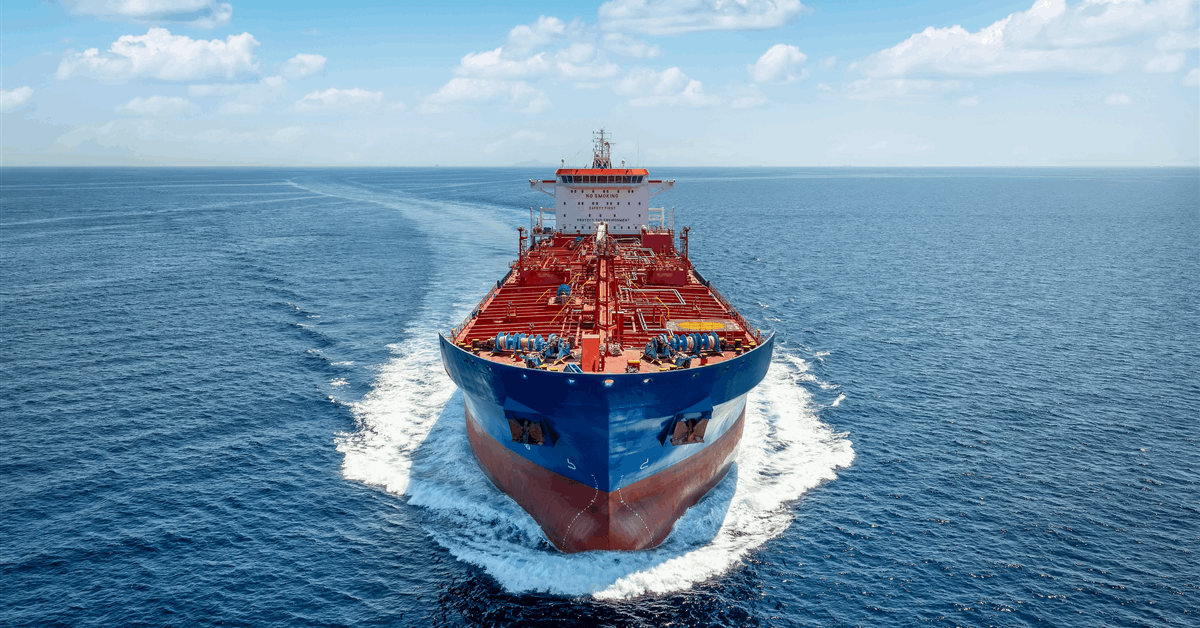
Supertankers are flocking to the Middle East as freight fees for traversing the Strait of Hormuz reach unprecedented levels. According to Rigzone, the cost to transport oil from the Persian Gulf to East Asia has increased more than sixfold compared to figures recorded before recent regional conflicts. Despite ongoing security threats to maritime traffic, crude oil volumes passing through the waterway have returned to levels near those seen before the hostilities began.
Data from Signal Ocean indicates that over 40% of the world's very large crude carrier fleet is currently positioned within or near the Persian Gulf. This concentration is driven by an inefficient transshipment system where vessels exchange cargo outside the strait to avoid risk. These operations are straining the global supply of ships, leading to a 50% reduction in the number of empty supertankers sailing toward Atlantic Ocean ports over the last month.
The scarcity of large vessels is impacting other markets, forcing producers in the Americas to utilize smaller tankers that lack traditional economies of scale. Freight analyst Georgios Sakellariou noted that the current ship-to-ship transfer system is "inefficient" and is stretching the global vessel supply. Consequently, rates for smaller Suezmax and Aframax ships are also rising as they are increasingly used for routes originally intended for larger carriers.
Shipping costs are reaching new milestones across various global routes due to the vessel crunch. One supertanker was recently offered for a journey from the U.S. Gulf to Japan at a fee exceeding $40 per barrel, representing a 50% jump in just three weeks. As Middle Eastern exports rebound alongside high production from the Americas, the competition for available tonnage continues to elevate expenses for energy traders worldwide.
Helena Marsh — Energy Markets Editor. Helena covers crude, refined products and the trading houses that move them, with a focus on price formation in the Mediterranean and Black Sea.
Схожі матеріали

Елісон з FMCSA знову згадує Motus, але терміни повноцінного відновлення все ще невідомі
Чаттануга – Минуло небагато часу – менш як місяць – відколи Джессі Елісон виступив на галузевому заході та торкнувся питання проблемної нової системи реєстрації Motus. Заступник адміністратора Федерального управління з безпеки автомобільних перевезень (FMCSA) виступив у понеділок на симпозіумі з питань комплаєнсу брокерів, організованому FreightWaves, — одній з двох одноденних сесій, що служать прелюдією до більшого фестивалю Future of Freight Festival, який розпочинається тут у вівторок. Головною новиною в його презентації фактично стала відсутність новин: після того, як на початку жовтня на

Мексиканські далекобійники розпочали національний страйк через безпеку на автошляхах та зростання витрат
Мексиканські транспортні компанії розпочали в понеділок безстроковий загальнонаціональний страйк на знак протесту проти відсутності безпеки на автошляхах, крадіжок вантажів, вимагання та зростання експлуатаційних витрат. Демонстрації заплановані у великих логістичних вузлах уздовж кордону між США та Мексикою. Страйк, організований Національною палатою вантажних перевезень (CANACAR) та іншими галузевими організаціями, передбачає проведення акцій по всій території Мексики, зокрема в Нуево-Ларедо, Рейносі, Монтерреї, Тіхуані та Мехіко. Протести можуть порушити вантажоперевезення через деякі з най

Адміністрація Трампа оприлюднила стратегію щодо морепродуктів для підтримки риболовецького флоту США та внутрішнього виробництва
Адміністрація Трампа в п'ятницю оприлюднила свою стратегію America First Seafood Strategy, окресливши плани щодо зміцнення комерційної риболовецької галузі США через регуляторні реформи, інвестиції в риболовецькі судна та берегову інфраструктуру...