
U.S. Takes Next Step Toward Nuclear-Powered Commercial Ships
The U.S. Maritime Administration and CORE POWER have entered an agreement to study the regulatory and logistical frameworks required for domestic nuclear-powered commercial vessels.
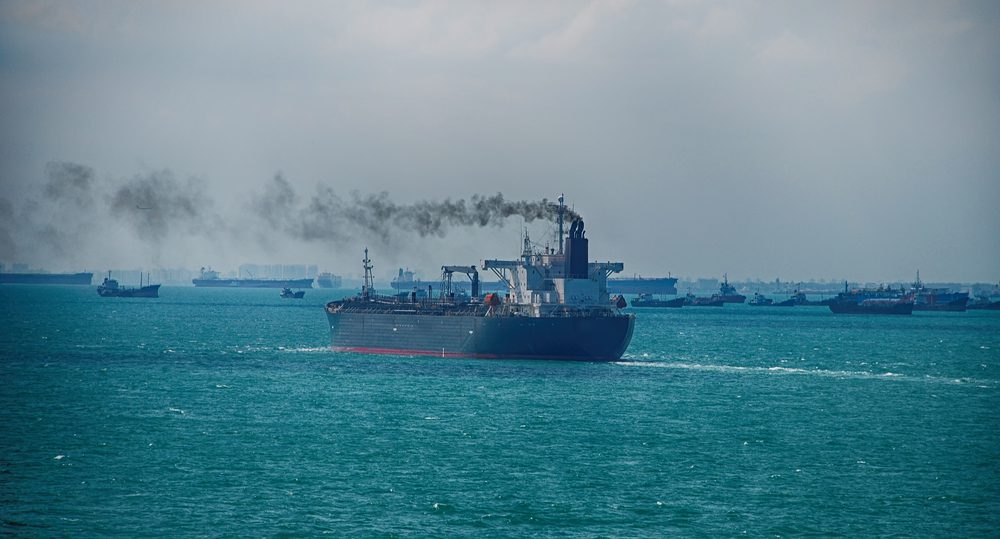
The U.S. Maritime Administration has entered into a formal cooperation agreement with CORE POWER to investigate the potential for domestic nuclear-propelled commercial vessels. According to gCaptain, this partnership represents the third major agreement under a broader Department of Transportation initiative focused on integrating small modular reactors into the shipping sector. The effort aligns with a strategic push by the Trump administration to link national maritime strength with energy dominance.
The collaboration seeks to navigate significant hurdles currently preventing the commercialization of nuclear shipping. These include establishing protocols for port operations, determining how to credential crews for nuclear service, and securing necessary insurance and financing. Maritime Administrator Stephen Carmel noted that the transition must be managed as a complete system that is both safe and investable, rather than focusing solely on the technology itself.
This move follows similar preliminary agreements between the government and the ports of Long Beach and Corpus Christi, which are exploring shoreside power and testing environments. Unlike those port-specific deals, the new arrangement brings a technology developer directly into the process. CORE POWER leadership suggests these steps are necessary for American competitiveness, as other nations like China are already advancing toward utilizing nuclear energy for large-scale merchant shipping operations.
While the agreements signify an acceleration of interest in the sector, they remain strictly exploratory. The federal government has not yet authorized the construction of any nuclear vessels or committed to a specific reactor design. Instead, the current phase focuses on coordinating with various federal agencies to address the high costs and complex safety standards that have historically limited nuclear power to naval and icebreaking fleets.
Editorial Desk — Trade Flow Insight. Reporting and market notes compiled by the Trade Flow Insight editorial team.
Схожі матеріали

Елісон з FMCSA знову згадує Motus, але терміни повноцінного відновлення все ще невідомі
Чаттануга – Минуло небагато часу – менш як місяць – відколи Джессі Елісон виступив на галузевому заході та торкнувся питання проблемної нової системи реєстрації Motus. Заступник адміністратора Федерального управління з безпеки автомобільних перевезень (FMCSA) виступив у понеділок на симпозіумі з питань комплаєнсу брокерів, організованому FreightWaves, — одній з двох одноденних сесій, що служать прелюдією до більшого фестивалю Future of Freight Festival, який розпочинається тут у вівторок. Головною новиною в його презентації фактично стала відсутність новин: після того, як на початку жовтня на

Мексиканські далекобійники розпочали національний страйк через безпеку на автошляхах та зростання витрат
Мексиканські транспортні компанії розпочали в понеділок безстроковий загальнонаціональний страйк на знак протесту проти відсутності безпеки на автошляхах, крадіжок вантажів, вимагання та зростання експлуатаційних витрат. Демонстрації заплановані у великих логістичних вузлах уздовж кордону між США та Мексикою. Страйк, організований Національною палатою вантажних перевезень (CANACAR) та іншими галузевими організаціями, передбачає проведення акцій по всій території Мексики, зокрема в Нуево-Ларедо, Рейносі, Монтерреї, Тіхуані та Мехіко. Протести можуть порушити вантажоперевезення через деякі з най

Адміністрація Трампа оприлюднила стратегію щодо морепродуктів для підтримки риболовецького флоту США та внутрішнього виробництва
Адміністрація Трампа в п'ятницю оприлюднила свою стратегію America First Seafood Strategy, окресливши плани щодо зміцнення комерційної риболовецької галузі США через регуляторні реформи, інвестиції в риболовецькі судна та берегову інфраструктуру...