
Why Maritime Operations Centers Need Fusion, Not Another Data Feed
Maritime Operations Centers require integrated data fusion rather than additional raw information feeds to improve military decision-making and naval command efficiency.
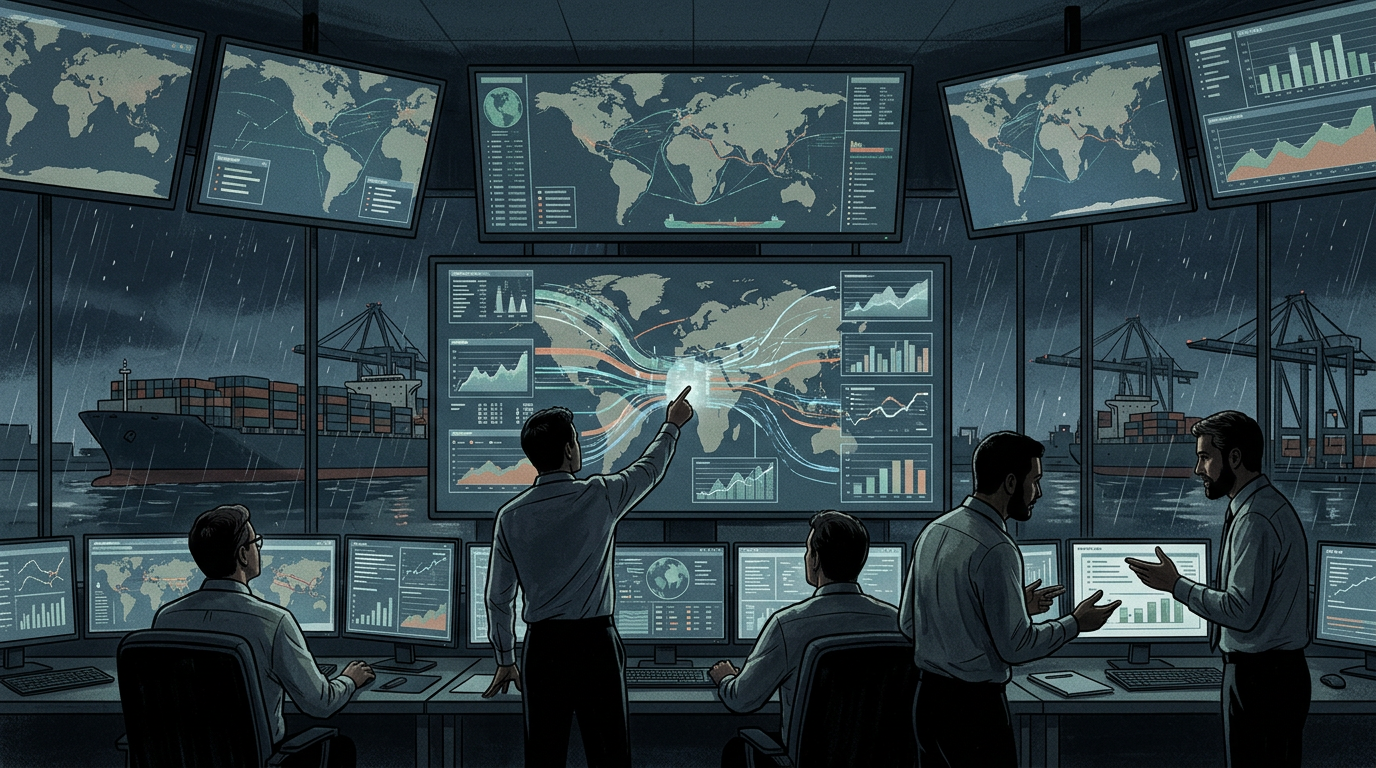
Naval Maritime Operations Centers are currently overwhelmed by high volumes of sensor data that exceed the processing capacity of human analysts. According to Hellenic Shipping News, the primary bottleneck for these centers is not the lack of information but the absence of a fusion layer capable of converting disparate pipelines into actionable intelligence for commanders at the necessary speed.
Military leadership is shifting focus toward integrating commercial tools directly into existing naval architectures rather than simply purchasing more vessel tracking feeds. During industry summits, officials emphasized that new inputs must synchronize with current common operational pictures. If data arrives through isolated channels, it forces analysts to manually cross-reference signals, which adds to their workload instead of providing a tactical advantage.
Effective integration requires commercial capabilities to adopt standardized formats that downstream tools can consume without translation. A true fusion platform allows the Navy to combine its own established data assets, such as shipboard and space-based sensors, with new commercial sources. This architectural approach ensures that years of prior analytical investment are preserved while enhancing the detection of behavioral anomalies and operational patterns.
Ultimately, the value of a commercial partnership is measured by the tradecraft embedded within its analytical layer. Rather than delivering raw streams that require manual reconciliation, vendors must provide mission-tuned outputs that weight various sources by reliability. The goal for modern maritime command is to achieve "multi-sensor data convergence" inside current workflows to support rapid decision-making during the transition from crisis to conflict.
Editorial Desk — Trade Flow Insight. Reporting and market notes compiled by the Trade Flow Insight editorial team.
Схожі матеріали

Елісон з FMCSA знову згадує Motus, але терміни повноцінного відновлення все ще невідомі
Чаттануга – Минуло небагато часу – менш як місяць – відколи Джессі Елісон виступив на галузевому заході та торкнувся питання проблемної нової системи реєстрації Motus. Заступник адміністратора Федерального управління з безпеки автомобільних перевезень (FMCSA) виступив у понеділок на симпозіумі з питань комплаєнсу брокерів, організованому FreightWaves, — одній з двох одноденних сесій, що служать прелюдією до більшого фестивалю Future of Freight Festival, який розпочинається тут у вівторок. Головною новиною в його презентації фактично стала відсутність новин: після того, як на початку жовтня на

Мексиканські далекобійники розпочали національний страйк через безпеку на автошляхах та зростання витрат
Мексиканські транспортні компанії розпочали в понеділок безстроковий загальнонаціональний страйк на знак протесту проти відсутності безпеки на автошляхах, крадіжок вантажів, вимагання та зростання експлуатаційних витрат. Демонстрації заплановані у великих логістичних вузлах уздовж кордону між США та Мексикою. Страйк, організований Національною палатою вантажних перевезень (CANACAR) та іншими галузевими організаціями, передбачає проведення акцій по всій території Мексики, зокрема в Нуево-Ларедо, Рейносі, Монтерреї, Тіхуані та Мехіко. Протести можуть порушити вантажоперевезення через деякі з най

Адміністрація Трампа оприлюднила стратегію щодо морепродуктів для підтримки риболовецького флоту США та внутрішнього виробництва
Адміністрація Трампа в п'ятницю оприлюднила свою стратегію America First Seafood Strategy, окресливши плани щодо зміцнення комерційної риболовецької галузі США через регуляторні реформи, інвестиції в риболовецькі судна та берегову інфраструктуру...