
Europe Braces for a Winter Energy Crisis as Gas Reserves Run Low
European energy storage levels have hit their lowest point since 2022 as infrastructure threats and geopolitical conflicts drive up regional fuel costs.

According to a report from OilPrice.com, Europe is entering the winter season with natural gas reserves significantly below seasonal norms. Inventories were recorded at approximately 67 per cent capacity in September, falling short of the typical 80 per cent average. Germany, which holds the largest storage infrastructure on the continent, is currently only half full and is projected to miss its regulatory storage targets for the year.
The region has faced a steep financial burden, spending over €900 billion on additional energy costs since 2022. While EU energy commissioner Dan Jorgensen indicated that supply shortages are not currently anticipated, he described the pricing environment for oil and gas as "very high." To mitigate these pressures, Jorgensen suggested a potential delay in the implementation of new methane emission standards for energy imports.
Market volatility is being exacerbated by ongoing conflict and trade restrictions in the Middle East, specifically affecting the Strait of Hormuz and Red Sea shipping lanes. These disruptions have caused significant price spikes, with jet fuel increasing by 112 per cent and oil rising by 65 per cent over a recent twelve-month period. Analysts expect global trade restrictions to persist well into 2027.
Industrial sectors across Europe are preparing for potential fuel shortages that could force operational suspensions and job losses. The manufacturing sector is particularly vulnerable, with forecasts suggesting thousands of job cuts in the United Kingdom due to low domestic storage capacity. While increased production from the United States has provided some relief, the European Commission is still urging consumers to reduce demand to manage limited supplies.
Helena Marsh — Energy Markets Editor. Helena covers crude, refined products and the trading houses that move them, with a focus on price formation in the Mediterranean and Black Sea.
Related coverage

Oil Advances Amid War and Hurricane Risks
Oil prices edged higher as Middle East tanker attacks and Hurricane Isaias heightened supply concerns.

Australia to Release Final Plan to Keep More LNG at Home
Australia is set to unveil the final version of a controversial plan to force liquefied natural gas producers to reserve as much as a fifth of their output for local buyers.
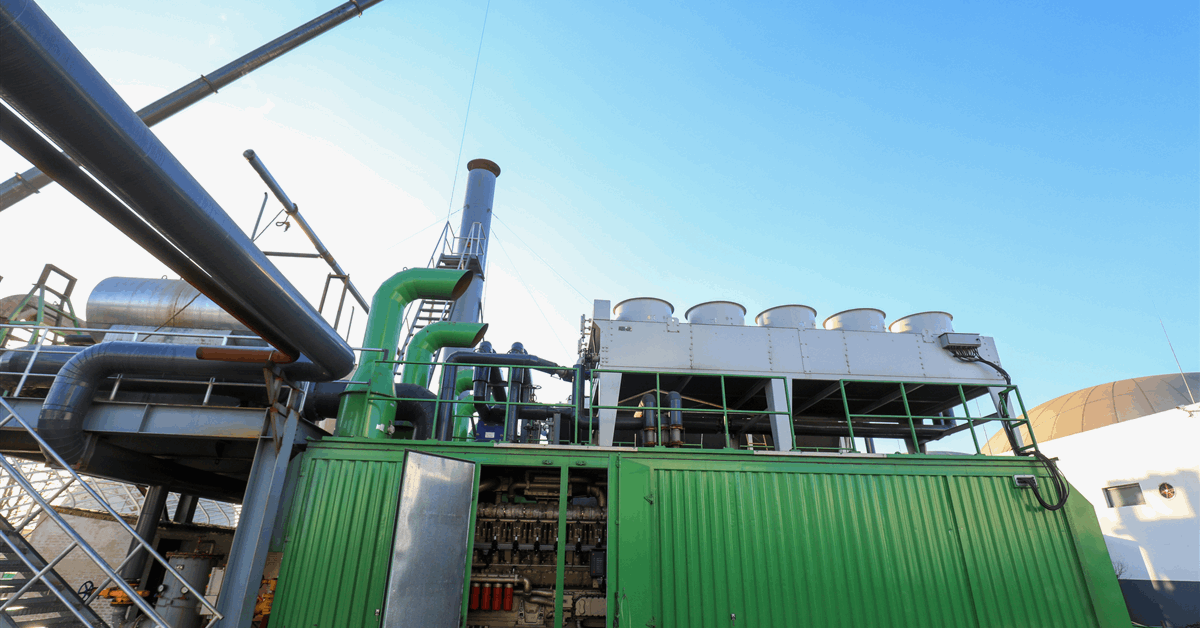
Uniper, Biotrend Plan to Produce Biogas in Turkiye for Europe
'The cooperation with Biotrend could open up a new source of renewable gas for European markets while further diversifying Uniper's portfolio'.