
Norway’s Troll Gas Expansion Buys Europe Time—But Not New Supply
Equinor has accelerated production from the Troll West reservoir to bolster European energy security, finishing the subsea project ahead of schedule and under budget.
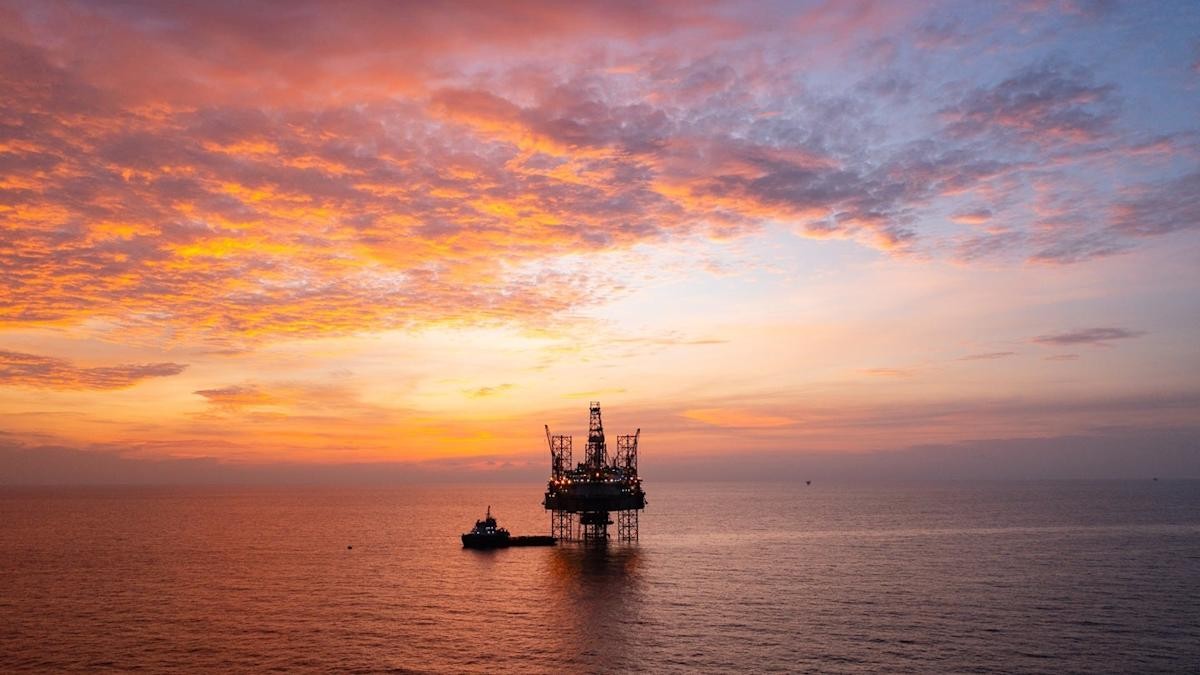
Norway has launched the second stage of its Troll Phase 3 project to pull 55 billion cubic meters of natural gas from the Troll West reservoir earlier than originally planned. According to OilPrice.com, the development reached first gas on August 22, completing the task several months ahead of the timeline and at a cost tens of millions of dollars below the $1.2 billion estimate. The infrastructure consists of eight production wells and two subsea templates.
The expansion does not increase the total recoverable resources of the field but instead advances the timing of existing reserves to maintain export levels as other areas decline. The project could accelerate up to 7 billion cubic meters annually, representing about 6% of recent yearly gas exports from Norway. Lill Harriet Brusdal, a vice president at Equinor, noted that the asset serves as the "backbone of Norwegian gas exports to Europe."
This operational milestone follows a new 15-year supply agreement between Equinor and Germany's Uniper. While the Troll field provides approximately 10% of the natural gas consumed in Europe, the acceleration strategy highlights a growing reliance on aging infrastructure. Experts suggest that while bringing volumes to market sooner protects current energy security, it does not replace the long-term need for new discoveries to offset future production drops.
Editorial Desk — Trade Flow Insight. Reporting and market notes compiled by the Trade Flow Insight editorial team.
Related coverage
Oil Advances Amid War and Hurricane Risks
Oil prices edged higher as Middle East tanker attacks and Hurricane Isaias heightened supply concerns.
Australia to Release Final Plan to Keep More LNG at Home
Australia is set to unveil the final version of a controversial plan to force liquefied natural gas producers to reserve as much as a fifth of their output for local buyers.
Uniper, Biotrend Plan to Produce Biogas in Turkiye for Europe
'The cooperation with Biotrend could open up a new source of renewable gas for European markets while further diversifying Uniper's portfolio'.