
Turkey Braces For Potential Gas Squeeze as U.S. Targets Iran Trade
Ankara faces a potential energy shortfall as the United States threatens economic penalties against nations maintaining trade relations with Iran.
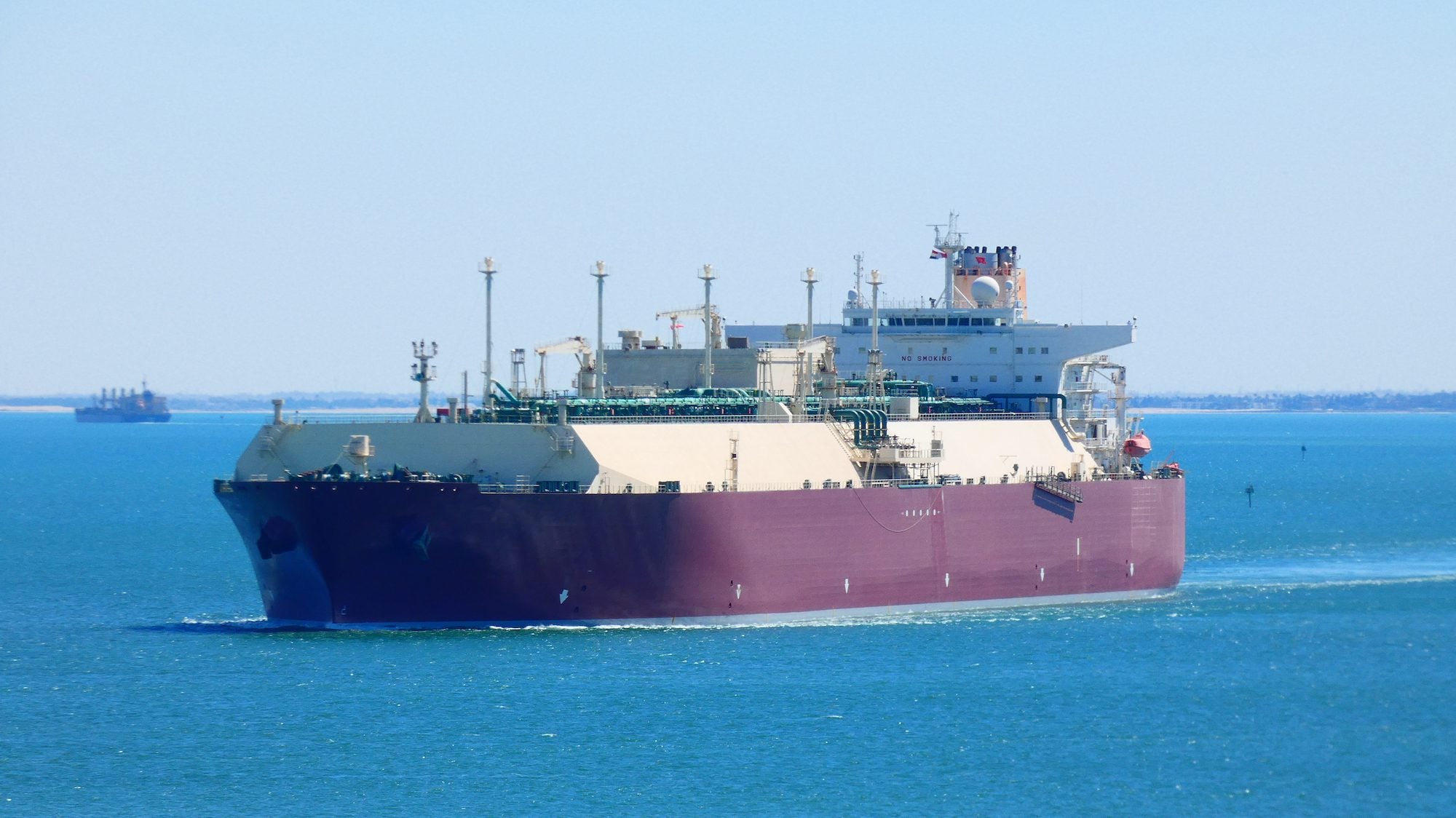
Turkey is navigating a precarious diplomatic position as the United States prepares to economically isolate Iran through a new pressure campaign. According to reporting from gCaptain, U.S. Treasury Secretary Scott Bessent warned that nations continuing to trade with Tehran will face financial punishment. This ultimatum targets a vital energy link for Ankara, which relied on Iran for roughly 13% of its natural gas imports last year, ranking it as the country's fourth-largest supplier.
Despite the expiration of a long-term contract in July, Turkey has continued to receive Iranian gas under a compensatory arrangement for previously paid but undelivered volumes. While Ankara previously expressed interest in renewing this supply for national energy security, the threat of U.S. sanctions complicates these plans. Turkish leadership is currently attempting to repair relations with Washington to secure military hardware, including F-16 and F-35 fighter jets.
Market analysts suggest that Turkey is likely to prioritize its relationship with the White House over Iranian energy. Strategy expert Nihat Ali Ozcan stated that Ankara would probably side with Washington, even if it meant being "forced to secure more expensive energy supplies elsewhere before winter." To mitigate a potential squeeze, Turkey may increase its intake of liquefied natural gas, utilize full storage facilities, or expand domestic production from its Black Sea fields.
Editorial Desk — Trade Flow Insight. Reporting and market notes compiled by the Trade Flow Insight editorial team.
Related coverage

Oil Advances Amid War and Hurricane Risks
Oil prices edged higher as Middle East tanker attacks and Hurricane Isaias heightened supply concerns.

Australia to Release Final Plan to Keep More LNG at Home
Australia is set to unveil the final version of a controversial plan to force liquefied natural gas producers to reserve as much as a fifth of their output for local buyers.
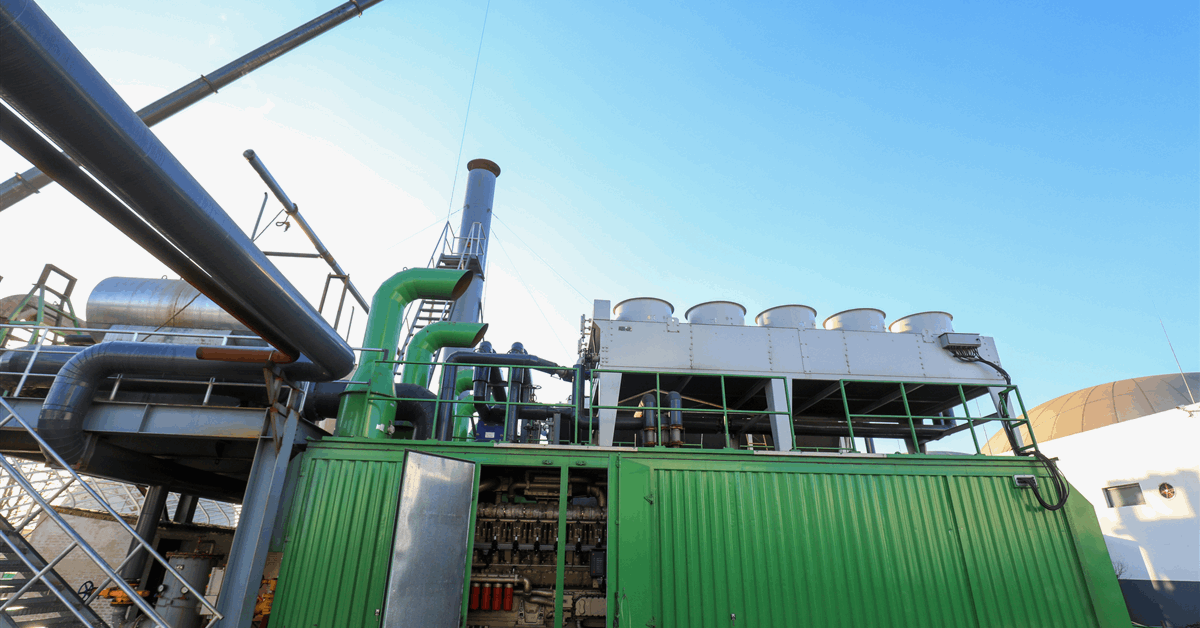
Uniper, Biotrend Plan to Produce Biogas in Turkiye for Europe
'The cooperation with Biotrend could open up a new source of renewable gas for European markets while further diversifying Uniper's portfolio'.