
AI in Warehousing: How AutoScheduler Drives Supply Chain Efficiency
AutoScheduler CEO Keith Moore outlines how warehouse orchestration software addresses the disconnect between isolated automation and operational efficiency.
Despite the rise of logistics technology, only a small fraction of supply chain operations have implemented robotics beyond isolated tasks. In an interview with FreightWaves, AutoScheduler AI CEO Keith Moore suggested that the primary hurdle to warehouse efficiency is not a lack of hardware, but the absence of an orchestration layer to coordinate site activities. This gap persists as many industry leaders remain uncertain about the specific returns on investment provided by artificial intelligence.
AutoScheduler, which originated from a project at Procter & Gamble, utilizes an operational twin to simulate facility flows and manage inventory movements. The platform is designed to respond dynamically to common disruptions such as equipment failures, staffing shortages, or shipping delays. By modeling these variables, the software aims to improve truck utilization and service levels while providing management with measurable data on productivity gains.
Moore attributed the historical lag in warehousing innovation to a shortage of specialized technical talent and limited executive focus on supply chain budgets compared to sales or marketing. He noted that while supply chain visibility has recently gained attention at the board level, cultural shifts within the workforce occur slowly. He argues that the platform allows companies to demonstrate that "pick density has gone up by 25%," providing the evidence needed for further tech investment.
For operators looking to integrate these tools, Moore recommended documenting existing decision-making processes before deploying new software. He observed that many firms focus on data collection without understanding the specific logic used to run daily operations. By mapping these workflows first, companies can identify which decisions are best suited for automation to incrementally improve output and labor requirements.
Editorial Desk — Trade Flow Insight. Reporting and market notes compiled by the Trade Flow Insight editorial team.
Articles liés
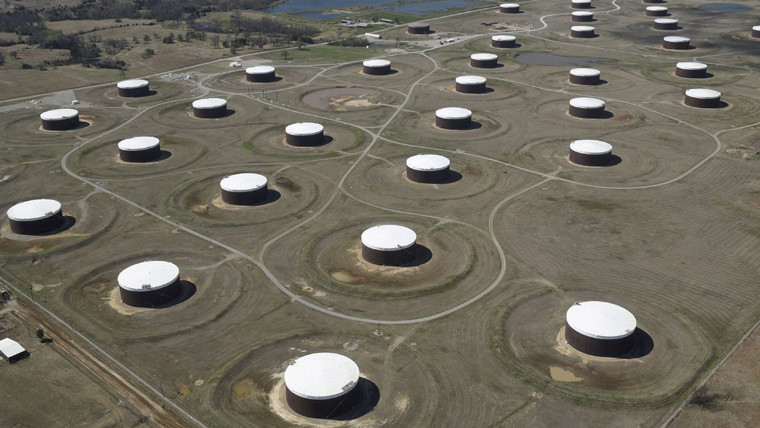
Les prix du pétrole restent élevés alors que la guerre maintient une offre tendue jusqu'en 2027
Pendant les trois premiers mois environ de la guerre entre les États-Unis, Israël et l'Iran, l'humeur dominante sur les marchés pétroliers était que le conflit prendrait fin d'un jour à l'autre. Le bref cessez-le-feu de juin a renforcé cet optimisme, il a donc fallu un certain temps avant de faire face à la réalité : la guerre ne prendrait pas fin d'un jour à l'autre. Elle pourrait même se prolonger jusqu'à l'année prochaine, ce qui signifie des prix plus élevés pour une période plus longue. Le contrat à terme sur le pétrole brut Brent de l'ICE pour janvier 2027 s'échange à 102,59 $ le baril.
Qui profite des sites web diffamatoires ?
Un examen basé sur des sources concernant le signalement de réseaux accusés de copier des allégations préjudiciables sur des groupes de sites web, ainsi que les défis juridiques et techniques liés à la réponse à ces pratiques.
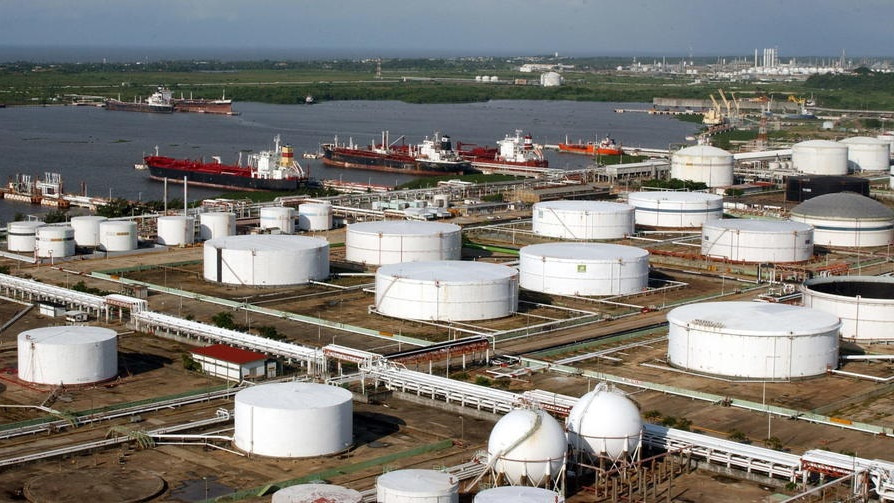
La nouvelle normalité du pétrole réside dans des prix plus élevés
Les prix du pétrole ont reculé mardi, annulant leurs récents gains alors que les investisseurs pesaient les signes de reprise des exportations des producteurs du Moyen-Orient face à l'incertitude entourant le sort de la guerre en Iran. Le Brent pour livraison en novembre a chuté de 1,5 % pour s'échanger à 103,72 $ le baril à 13h10 ET, tandis que le brut WTI pour livraison en octobre a reculé de 2,2 % pour s'échanger à 90,62 $/bbl. Les exportations de brut de la région ont grimpé à 15,5 millions de barils par jour en septembre, soit plus de 80 % des niveaux d'avant-guerre et le niveau le plus é