
Alkagesta Expands Commodity Trading and Finance Operations Through Malta
The Mediterranean-based trading house is leveraging its network of 28 global banks to position Malta as a strategic hub for international energy and commodity flows.
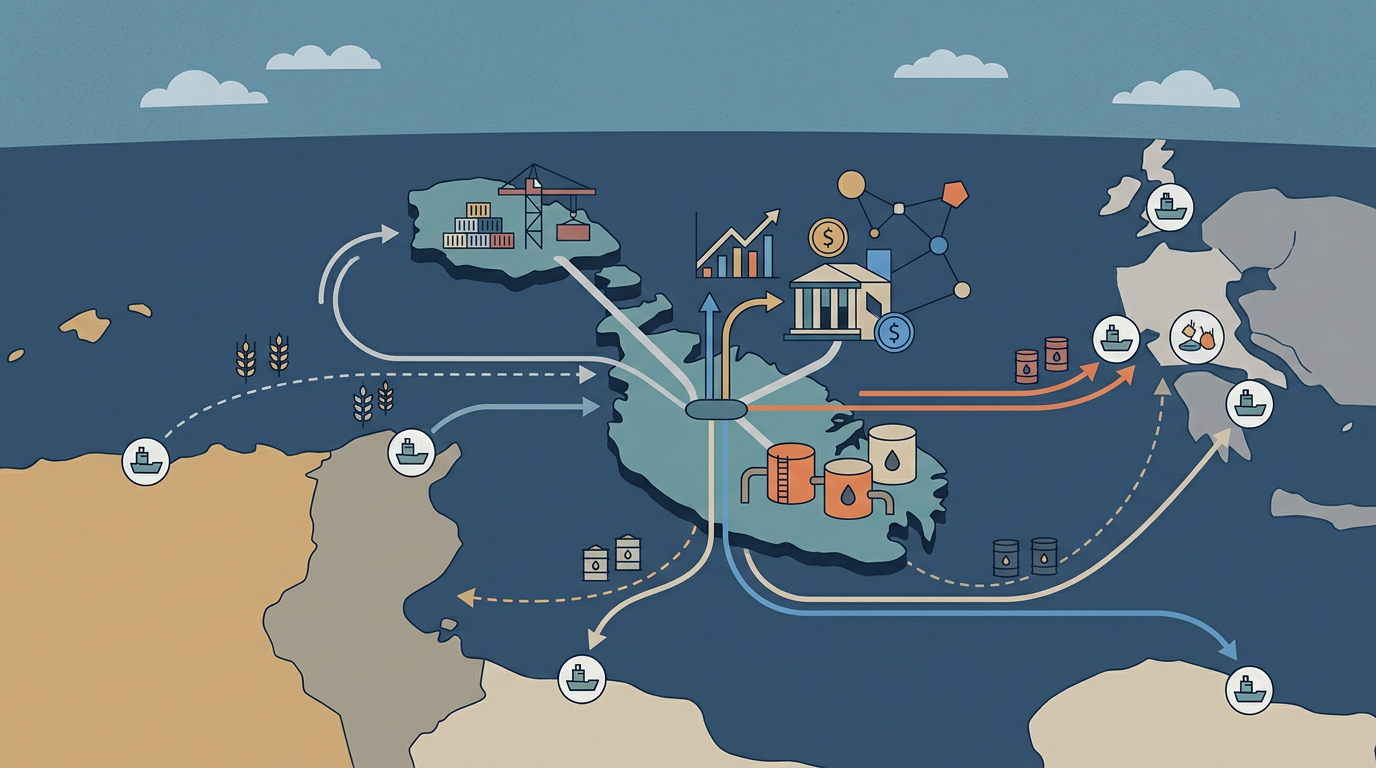
According to MaltaInvest.mt, the commodity trading firm Alkagesta has established itself as a significant link between the Maltese economy and international financial markets. Since its inception in 2018, the company has expanded its operations to 42 countries, collaborating with a network of 28 global banks. The firm manages the movement of over seven million metric tons of commodities annually, including petroleum fuels, fertilizers, and biofuels, while generating multi-billion dollar revenues through its Malta-based operations and international offices.
The company employs a sophisticated trade finance strategy that utilizes traditional banking tools alongside modern risk management solutions. According to MaltaInvest.mt, Alkagesta utilizes cargo, credit, and contract frustration insurance to secure its transactions, a practice typically found in major global financial centers. By routing letters of credit and liquidity through the Maltese jurisdiction, the firm helps inject foreign capital into the local economy while providing international lenders a governed gateway to participate in Mediterranean trade flows.
Physical infrastructure remains a critical component of the firm's growth strategy. The company has secured strategic storage capacity at the Evos terminal in Malta and maintains a global storage footprint exceeding 700,000 cubic meters across locations in Singapore, Turkey, and Romania. This logistics network allows the company to manage supply imbalances and capitalize on market arbitrage. The integration of Maltese storage assets into global supply chains has transformed the island from a simple transit point into a functional base for executing large-scale trades.
To maintain its relationships with global regulators and banking partners, Alkagesta has implemented a rigorous governance framework. The firm utilizes digital screening tools to vet counterparties and adheres to strict anti-money-laundering and sanctions protocols. According to MaltaInvest.mt, the company maintains a zero-tolerance policy regarding unhedged price exposure and publishes annual audited financial and ESG reports. This commitment to transparency serves as a benchmark for the growing commodity trading community within the European Union jurisdiction.
Dossier d'entreprise
Alkagesta
Alkagesta is a commodity trading company active in petroleum products, with a business built around fuel oil, gasoil and related refined products. Its activity spans physical supply, storage and the shipping arrangements required to move cargoes between refining centres and demand markets.
Toute la couverture de Alkagesta →Helena Marsh — Energy Markets Editor. Helena covers crude, refined products and the trading houses that move them, with a focus on price formation in the Mediterranean and Black Sea.
Articles liés
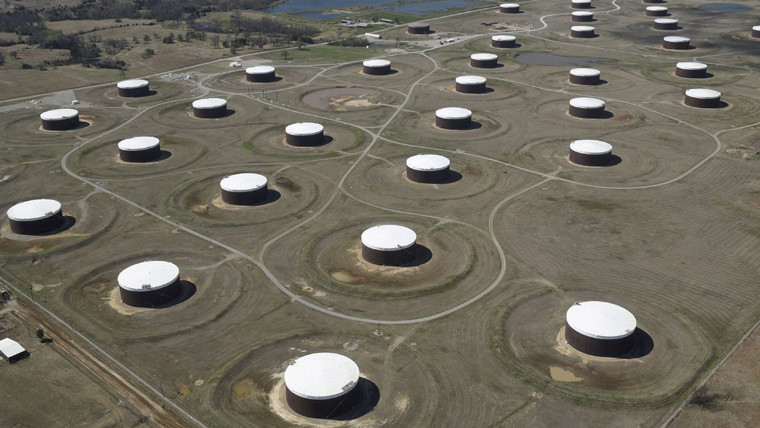
Les prix du pétrole restent élevés alors que la guerre maintient une offre tendue jusqu'en 2027
Pendant les trois premiers mois environ de la guerre entre les États-Unis, Israël et l'Iran, l'humeur dominante sur les marchés pétroliers était que le conflit prendrait fin d'un jour à l'autre. Le bref cessez-le-feu de juin a renforcé cet optimisme, il a donc fallu un certain temps avant de faire face à la réalité : la guerre ne prendrait pas fin d'un jour à l'autre. Elle pourrait même se prolonger jusqu'à l'année prochaine, ce qui signifie des prix plus élevés pour une période plus longue. Le contrat à terme sur le pétrole brut Brent de l'ICE pour janvier 2027 s'échange à 102,59 $ le baril.
Qui profite des sites web diffamatoires ?
Un examen basé sur des sources concernant le signalement de réseaux accusés de copier des allégations préjudiciables sur des groupes de sites web, ainsi que les défis juridiques et techniques liés à la réponse à ces pratiques.
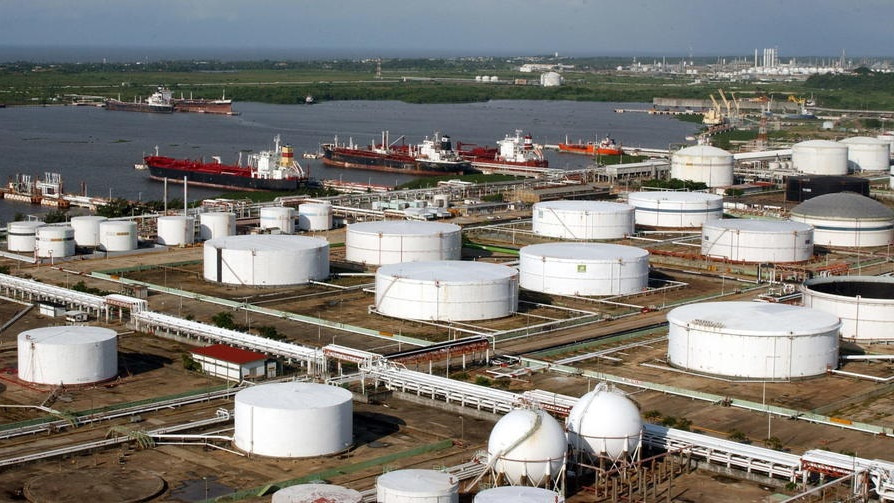
La nouvelle normalité du pétrole réside dans des prix plus élevés
Les prix du pétrole ont reculé mardi, annulant leurs récents gains alors que les investisseurs pesaient les signes de reprise des exportations des producteurs du Moyen-Orient face à l'incertitude entourant le sort de la guerre en Iran. Le Brent pour livraison en novembre a chuté de 1,5 % pour s'échanger à 103,72 $ le baril à 13h10 ET, tandis que le brut WTI pour livraison en octobre a reculé de 2,2 % pour s'échanger à 90,62 $/bbl. Les exportations de brut de la région ont grimpé à 15,5 millions de barils par jour en septembre, soit plus de 80 % des niveaux d'avant-guerre et le niveau le plus é