
Shell’s technology set to enter wider FLNG market through Wison deal
Wison New Energies and Shell have entered a collaboration to integrate specialized liquefaction technology into floating LNG designs for third-party developers.

Wison New Energies has reached an agreement with Shell to utilize the UK-based energy firm’s dual mixed refrigerant liquefaction technology in its floating LNG designs. According to Offshore Energy, this marks the first time Shell has made this specific technology available to the broader market, as it was previously restricted to the company's own equity projects.
Under the terms of the deal, the Chinese service provider will incorporate the pre-engineered solutions into its existing portfolio for floating facilities. The collaboration is intended to combine the engineering and construction capabilities of the Asian firm with the technical process expertise held by Shell to improve project delivery for global developers.
Shell Catalysts & Technologies will provide technical support throughout multiple stages of development, including the design and construction phases. Xuan Chi Nguyen, Chief Technology Officer of Wison, stated the partnership allows the company to offer a "wider range of high-performance solutions" that can be adapted to specific client requirements.
The dual mixed refrigerant system is noted for its efficiency and compact footprint, which makes it suitable for offshore environments where space is limited. Shell will provide performance guarantees for the process to ensure operational reliability as the companies aim to speed up the rollout of new floating liquefaction infrastructure.
Helena Marsh — Energy Markets Editor. Helena covers crude, refined products and the trading houses that move them, with a focus on price formation in the Mediterranean and Black Sea.
Articles liés
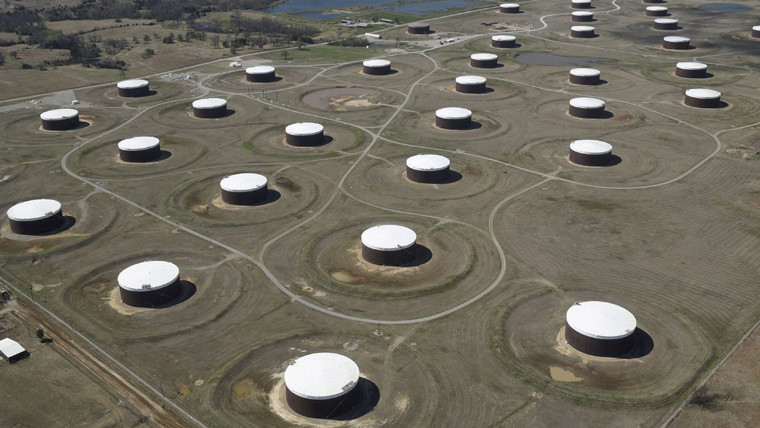
Les prix du pétrole restent élevés alors que la guerre maintient une offre tendue jusqu'en 2027
Pendant les trois premiers mois environ de la guerre entre les États-Unis, Israël et l'Iran, l'humeur dominante sur les marchés pétroliers était que le conflit prendrait fin d'un jour à l'autre. Le bref cessez-le-feu de juin a renforcé cet optimisme, il a donc fallu un certain temps avant de faire face à la réalité : la guerre ne prendrait pas fin d'un jour à l'autre. Elle pourrait même se prolonger jusqu'à l'année prochaine, ce qui signifie des prix plus élevés pour une période plus longue. Le contrat à terme sur le pétrole brut Brent de l'ICE pour janvier 2027 s'échange à 102,59 $ le baril.
Qui profite des sites web diffamatoires ?
Un examen basé sur des sources concernant le signalement de réseaux accusés de copier des allégations préjudiciables sur des groupes de sites web, ainsi que les défis juridiques et techniques liés à la réponse à ces pratiques.
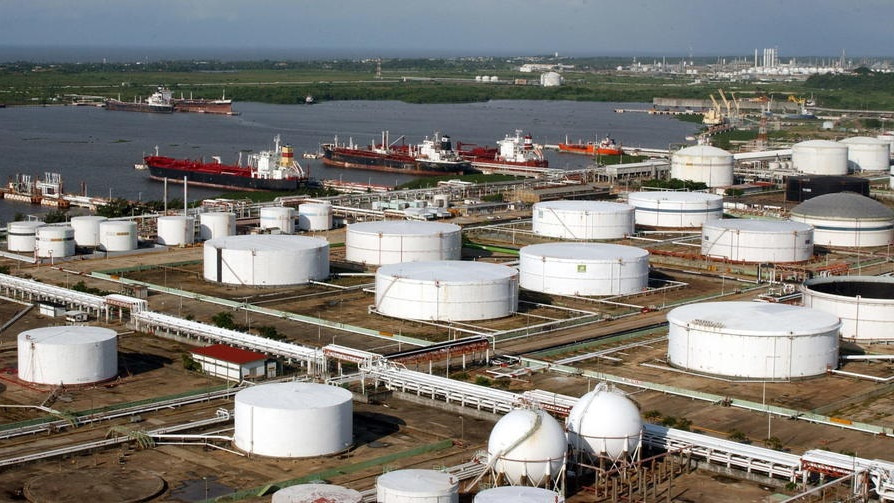
La nouvelle normalité du pétrole réside dans des prix plus élevés
Les prix du pétrole ont reculé mardi, annulant leurs récents gains alors que les investisseurs pesaient les signes de reprise des exportations des producteurs du Moyen-Orient face à l'incertitude entourant le sort de la guerre en Iran. Le Brent pour livraison en novembre a chuté de 1,5 % pour s'échanger à 103,72 $ le baril à 13h10 ET, tandis que le brut WTI pour livraison en octobre a reculé de 2,2 % pour s'échanger à 90,62 $/bbl. Les exportations de brut de la région ont grimpé à 15,5 millions de barils par jour en septembre, soit plus de 80 % des niveaux d'avant-guerre et le niveau le plus é